
Endodontic Care and Root Canal in Salem, MA

Repair, Save, and Protect Your Natural Tooth.
When infection or damage reaches the inside of your tooth, a root canal may be needed to relieve pain and prevent further problems. Our expert endodontists will remove the infected tissue, clean the tooth, and help preserve as much of your natural tooth as possible.

Is a Root Canal Right for You? Let’s Find Out

If you are dealing with any of the following conditions, a root canal may be the right option. We’ll examine the area and guide you through the next steps.

Persistent or Severe Tooth Pain?

Infection or damage inside the tooth can cause intense pain.

Sensitive to Hot or Cold?

A damaged nerve tissue inside the teeth can cause lingering sensitivity

Tooth Darkening or Discoloration?

A tooth that becomes noticeably darker may have damage or infection inside it.

Have a Deep Cavity or Decay?

Deep decay can reach the inside of the tooth, causing pain or food to get trapped.

What to Expect During a
Root Canal Treatment Procedure?

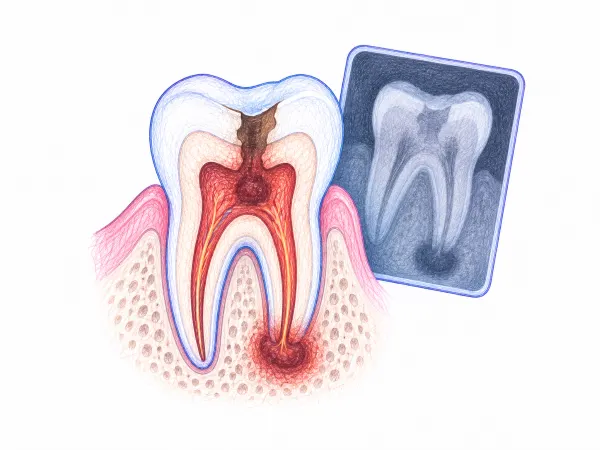
Examine the Tooth & Confirm Treatment

Our endodontist will examine the tooth and take X-rays to see how far the infection or damage has spread. We’ll then confirm whether root canal treatment is the best way forward.
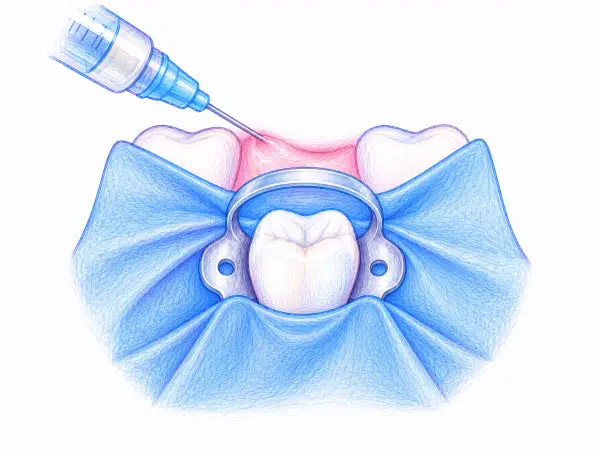
Numb & Protect the Area

Local anesthesia is used to numb the tooth and surrounding area. A small dental dam is then placed around the tooth to keep it clean and dry during treatment.
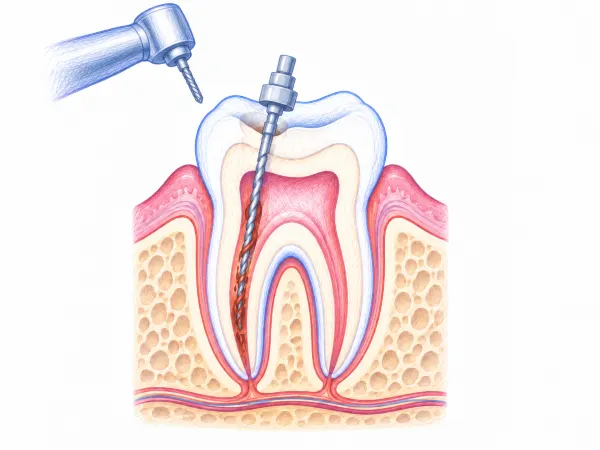
Remove the Infected Tissue

A small opening is made in the tooth to reach the infected or damaged pulp. The affected tissue is carefully removed from inside the tooth and its root canals.
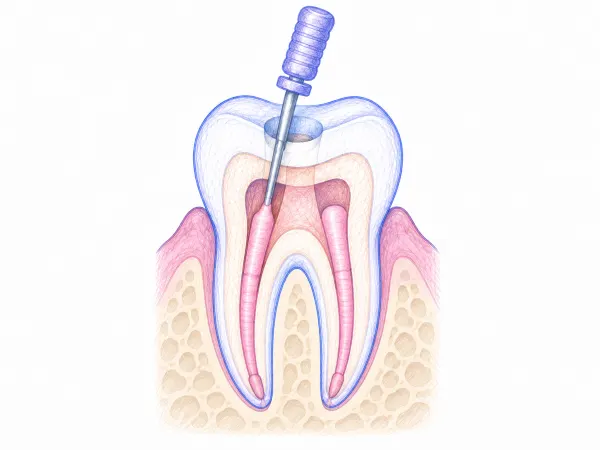
Clean, Fill & Seal the Canals

The root canals are thoroughly cleaned, shaped, and disinfected before being filled and sealed. This helps prevent bacteria from re-entering the tooth and causing another infection.
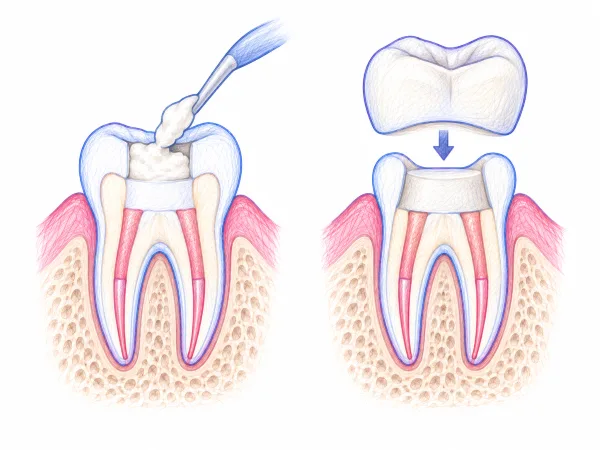
Restore the Tooth With a Filling or Crown

A temporary or permanent filling may be placed to seal the tooth. If the tooth has lost significant structure or needs extra protection, a crown may be recommended in the next appointment.
Hear From Our Patients

Benefits of a Root Canal

Relieves
Tooth Pain

Removes the bad nerve tissue that causes pain.

Saves Your
Natural Tooth

Preserves your natural tooth by treating and restoring it.

Helps Prevent
Bone Loss

Preserving the tooth helps maintain the surrounding jawbone.

Stops Infection
From Spreading

Cleans the infection so it doesn’t spread to healthy teeth.

Can Be
Cost Effective

Saving the tooth may help avoid replacement costs later

Experiencing Severe Tooth Pain?

Don’t ignore it. Our experienced endodontists will examine the tooth, identify what’s causing your symptoms, and help you understand whether root canal treatment is the right next step.

Frequently
Asked Questions

A root canal is a dental procedure that removes infected or damaged pulp from inside a tooth, cleans and seals the root canals, and restores the tooth so it can continue to function.
Delaying treatment can worsen the infection and may increase the risk of an abscess, bone loss, or tooth loss. Prompt treatment can help protect the tooth and surrounding tissues.
A root canal may be completed in a single sitting or over two appointments, depending on the tooth and extent of infection. A single sitting root canal usually takes around 60 to 90 minutes. If two visits are needed, the first is typically used to clean and disinfect the canals, while the second is used to complete the restoration with a filling or crown, depending on what the tooth needs.
Mild soreness or sensitivity can occur for a few days after treatment. Most people can return to their normal routine within a week, while the tooth continues to settle and heal. But it depends on individual oral health and tooth condition.
The area is numbed with local anesthesia during treatment, so you should not feel pain during the procedure. Some soreness or sensitivity may occur afterward as the tooth recovers.
You may need a crown, especially if the treated tooth has lost significant structure or is under heavy chewing pressure. Your dentist will recommend the appropriate restoration based on the condition of your tooth.
Yes, but it’s best to wait until the numbness wears off before eating to avoid accidental biting. Your dentist may also recommend softer foods and avoiding hard or sticky foods until the tooth is fully restored.
Yes, some cases can be treated with a single sitting root canal. Whether treatment can be completed in one visit depends on the tooth, the extent of infection, and your individual treatment needs.
Although root canal treatment has a high success rate, a treated tooth can sometimes develop another infection or fail to heal as expected. Your dentist can evaluate the tooth and discuss the next steps if problems occur.
Yes. Root canal treatment is designed to remove infection from inside the tooth while preserving the natural tooth whenever possible. If the tooth has enough healthy structure to be restored, a root canal may help you avoid extraction.
With proper treatment, a good restoration, and regular dental care, a root canal-treated tooth can last for many years and often for decades. Its lifespan depends on factors such as how much healthy tooth structure remains, whether a crown is needed, and how well the tooth is cared for.
The cost of a root canal in Salem, MA can vary depending on which tooth needs treatment, the complexity of the procedure, and whether a crown or another restoration is needed afterward. Before treatment, Coral Dental Care will explain the estimated cost, what’s included, and any available payment options.
Some dental insurance plans may cover part of the cost of root canal treatment, but coverage varies by plan. Our team can help you review your benefits, understand what your insurance may cover, and estimate your out-of-pocket cost before treatment begins.