
Custom Dentures in Salem, MA
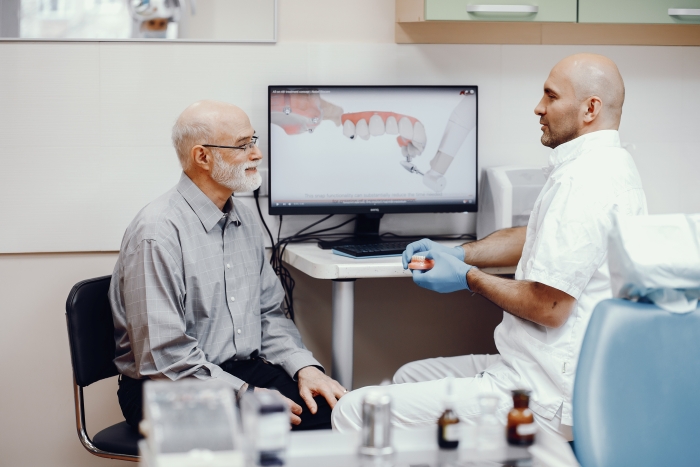
When Should You Consider Dentures?
Finding It Hard to Eat or Speak?
Well-fitting dentures can provide better stability and make eating and speaking easier.
Not Enough Bone for Dental Implants?
Dentures may be a suitable option when bone levels are too low for implants.
Current Dentures Feel Loose or Uncomfortable?
An adjustment, reline, or new set of dentures may help improve their fit.
Missing Teeth or Noticeable Gaps?
Dentures can fill those gaps and help restore your smile and everyday function.
What to Expect When Getting Dentures?
Consultation and Dental Assessment
Your visit starts with a conversation about your concerns, followed by an exam of your teeth, gums, and overall oral health.
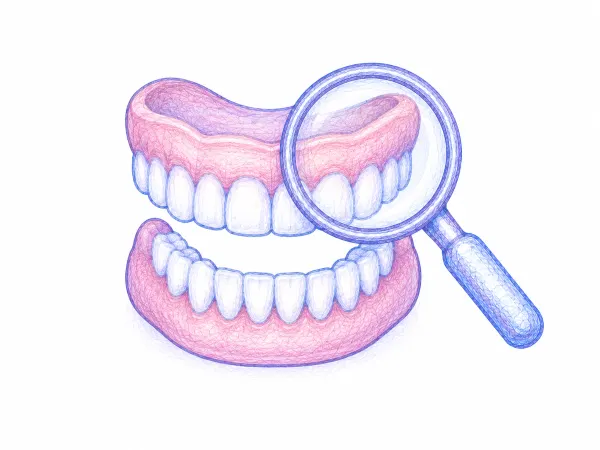
Choose the Right Denture Option
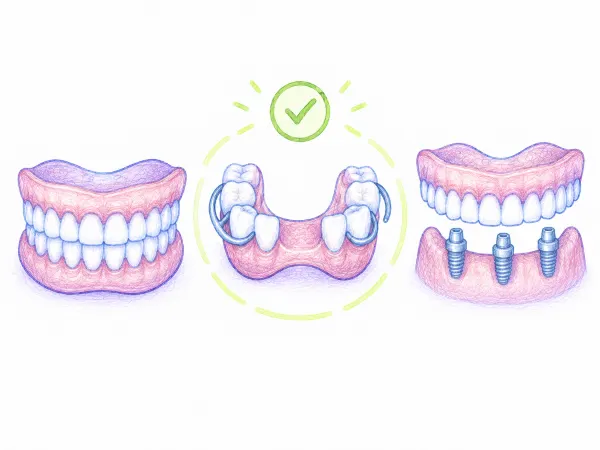
Based on your needs, we’ll explain whether full, partial, or another denture option may suit you, along with costs, insurance, and next steps.
Take Your Scan or Impressions
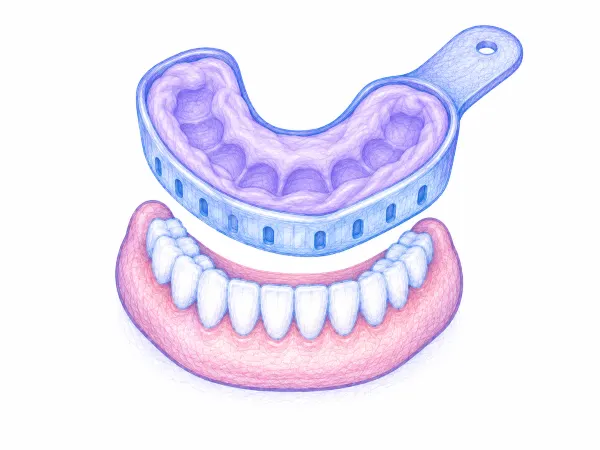
A 3D scan or impressions of your mouth and bite are taken, along with selecting the right tooth shape and shade.
Your Dentures Are Made and Fitted
The dental lab creates your custom dentures, which are then checked for fit, comfort, shape, and appearance.
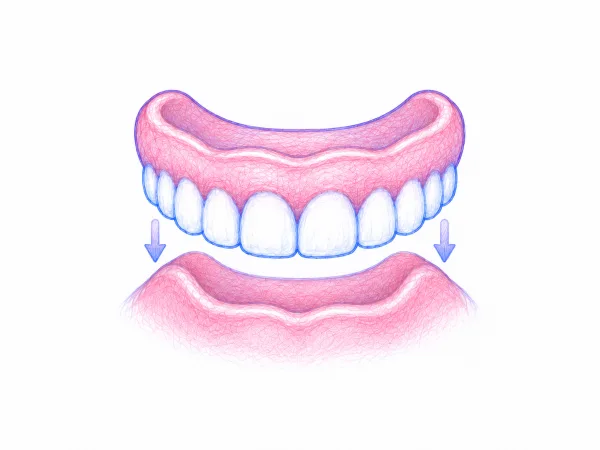
Follow-Up and Adjustments
After you receive your dentures, we’ll check how they feel, make any needed adjustments, and guide you on proper aftercare.
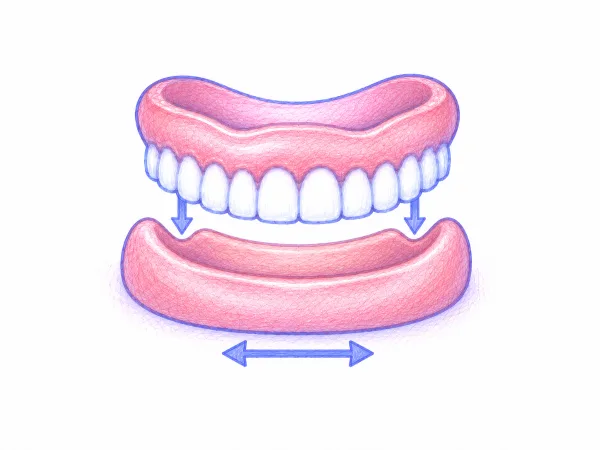
Hear From Our Patients
What Types of Dentures Do We Offer?
Full or Complete Dentures
- Restore your smile with teeth designed to look natural
- Eat and speak more comfortably after extensive tooth loss
- Understand what to expect if remaining teeth need to be removed first
Partial Dentures
- Replace missing teeth while keeping healthy natural teeth in place
- Designed for a comfortable fit that does not feel unnecessarily bulky
- Blend more naturally with your existing teeth for added confidence
Implant-Supported Dentures
- Reduce slipping and movement while eating or speaking
- Rely less on denture adhesive for everyday security
- Enjoy greater chewing confidence with added implant support
Snap-In Dentures
- Feel more secure than with conventional removable dentures
- Remove them easily for cleaning and routine care
- Get added stability without giving up the convenience of a removable option
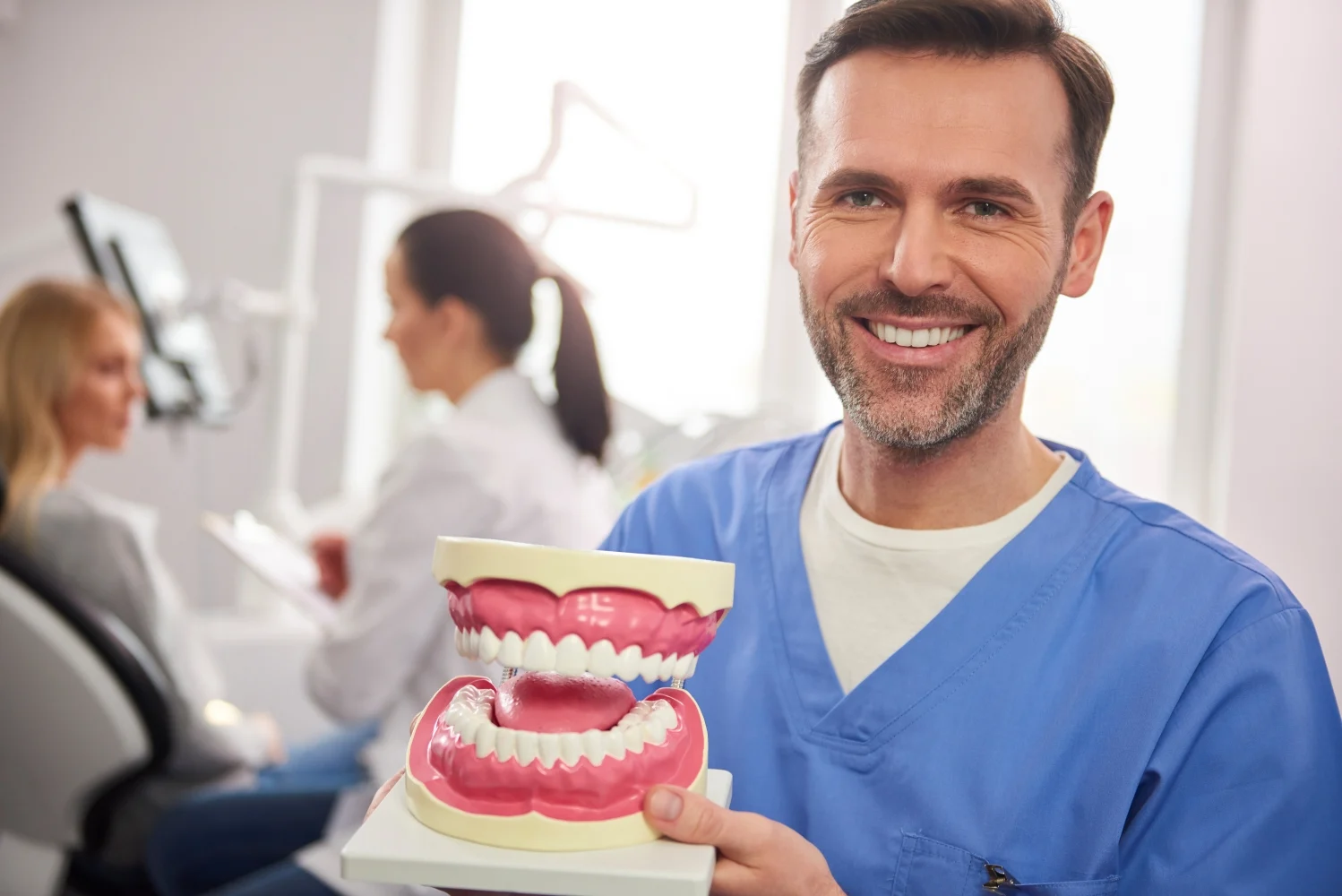
Not Sure Which Option to Choose?
Benefits of Dentures
Eat More
Comfortably
Dentures can make it easier to chew a wider variety of foods and enjoy meals more comfortably.
Speak With
More Confidence
Replacing missing teeth can support clearer speech and make conversations feel more natural.
Feel Better About
Your Smile
Custom dentures are designed to restore missing teeth and create a natural-looking smile.
Support Your
Facial Appearance
Dentures help replace lost tooth structure and can provide support to the lips and cheeks.
Dentures vs. Implants:
Which Dental Solution Do You Need?
| Features | Dentures | Dental Implants |
|---|---|---|
| How they fit | Custom-made to fit your mouth and can be adjusted if needed | Anchored into the jawbone and fitted with a replacement tooth or teeth |
| How they stay in place | Rest on the gums and may move slightly during eating or speaking | Secured to implants placed in the jawbone |
| Can you remove them? | Yes, usually removable | No, usually fixed |
| What does the treatment involve? | Involves impressions or scans, try-ins, and fitting | Involves implant placement surgery followed by a healing period and final restoration |
| What’s the treatment timeline? | Generally involves a shorter treatment process | Usually takes longer because the implants need time to heal and integrate with the bone |
| Daily care | Remove, clean, and store as directed when not wearing them | Clean much like natural teeth, with additional care around the implant |
| Upfront cost | Generally a lower-cost tooth replacement option | Usually involves a higher upfront investment |
| Best suited for | May suit patients looking for a removable way to replace several or all missing teeth | May suit patients who are suitable for implant surgery and are looking for a more fixed solution |