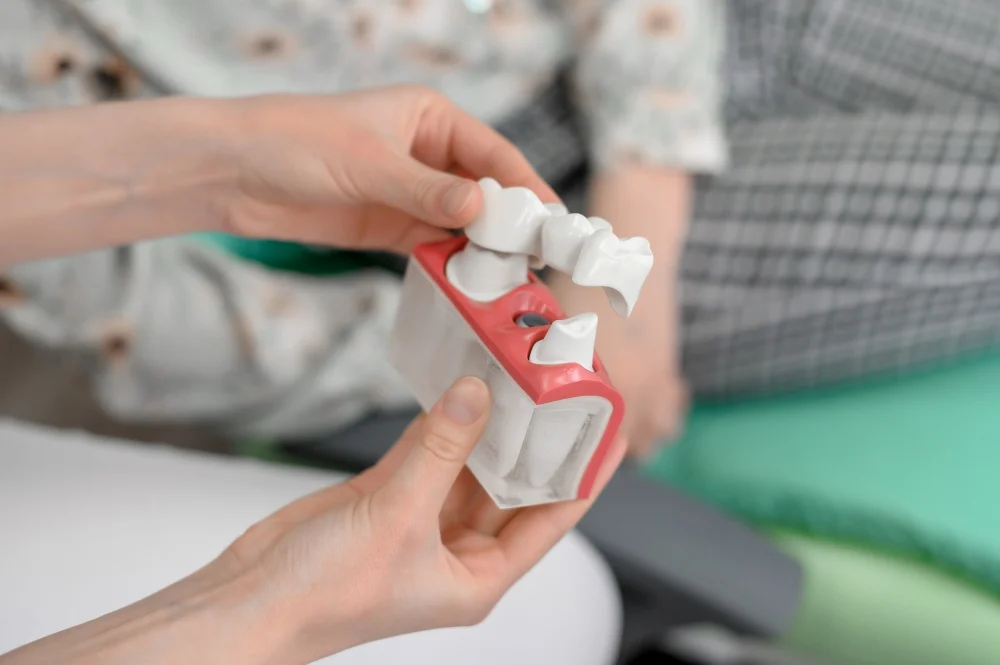
Dental Bridges in Salem, MA

Stop Living With a Tooth Gap. Get Back to Eating Comfortably.
Fill the gap caused by tooth loss with a natural-looking dental bridge designed to support your bite and help your smile feel complete again.

Is a Dental Bridge Right for You? Let’s Find Out.

If you’re dealing with any of the situations below, a dental bridge may be worth considering. Our dentists can help determine if it’s the right solution for you.

Missing Multiple Teeth?

A dental bridge can fill the gap between consecutive missing teeth.

Still Have Healthy Teeth Around the Gap?

A traditional bridge may be an option when the teeth next to the space are healthy enough to provide support.

Have Trouble Chewing or Speaking?

A bridge helps your tooth restore its strength so you can chew and speak comfortably.

Hear From Our Patients

What Types of Dental Bridges Do We Offer?

Our bridges are made from zirconia, a strong material that is long-lasting and prevents cracks and fractures when taken proper care of. Based on your oral health, we’ll help you decide which option to go for:

Traditional Bridge

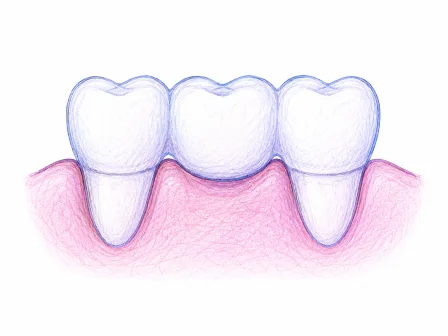
A traditional bridge uses crowns placed on the teeth next to the gap to support the replacement tooth or teeth. It may be an option when you have healthy, strong teeth on either side of the missing tooth or teeth.

Cantilever Bridge

This bridge is supported by a tooth or teeth on only one side of the gap. It may be considered when there isn’t a healthy tooth available on both sides to support a traditional bridge.

Maryland Bridge

A Maryland bridge uses a replacement tooth with wings that attach to the back of nearby teeth rather than placing crowns over them. It may be considered for certain areas of the mouth, like the front teeth, where it minimizes the need to alter the neighboring teeth.

Implant-Supported Bridge

This bridge type uses a dental implant instead of natural teeth to support multiple replacement teeth. It may be an option when you have several missing adjacent teeth and want a more stable, fixed solution.

How Is a Bridge Attached?

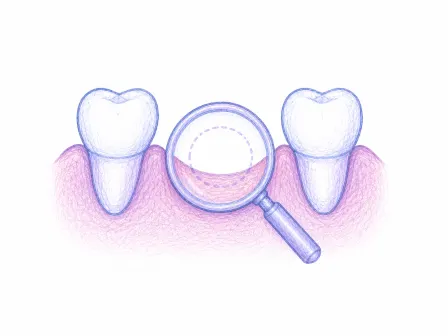
Examine & Plan Your Treatment

We’ll use X-rays, photos, and advanced dental technology to examine your teeth, gums, bite, and the area around your missing tooth.
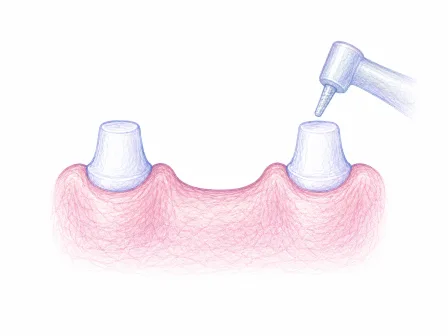
Prepare the Supporting Teeth

We’ll numb the area to keep you comfortable, then prepare the teeth next to the gap to support your custom bridge. Digital scans or impressions are taken to create a precise fit.
Place a Temporary Bridge

A temporary bridge may be placed while your permanent restoration is being made to support the prepared teeth during the process.
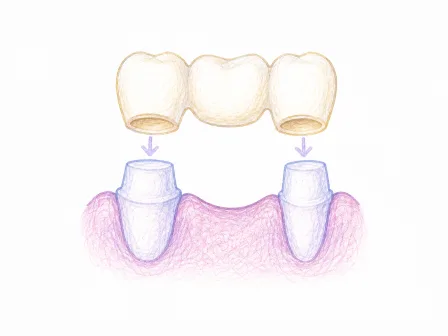
Fit Your Permanent Bridge

Once your custom bridge tooth is ready, we’ll check its fit, make any necessary adjustments, and securely bond it in place.
Care for Your New Bridge

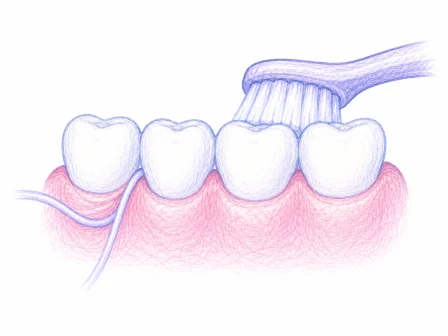
We’ll show you how to care for your bridge and the supporting teeth. With good oral hygiene and regular dental visits, a dental bridge can last 5 to 15 years or longer.
Benefits of Dental Bridges

Restores the Teeth's Function

Fills gaps between teeth to strengthen your bite so you can chew comfortably.

Gives Natural-Looking Result

Custom-designed replacements are made to match your natural teeth.

Keeps Teeth in Place

Prevents neighboring teeth from shifting into the empty space.

Maintains Facial Harmony

Provides facial support by filling the spaces left by lost teeth.

Prevents Oral Health Issues

Gaps can lead to bite misalignment, speech difficulties, and accelerated bone loss.

Looking for the Best Dentist for Dental Bridges Near Salem, MA?

Our experienced team will help you understand your options and guide you through the treatment with care, comfort, and attention.

Frequently Asked Questions

Dental bridges are custom restorations used to replace multiple missing teeth. They fill the gap using artificial teeth supported by the surrounding teeth or dental implants.
A dental bridge replaces a missing tooth by using the neighboring teeth for support, while a dental implant replaces the tooth root with an implant placed surgically in the jawbone. We’ll help you decide which option better suits you by examining your oral health.
Yes, bridges are custom-made to blend with your natural teeth. The color, shape, and size are designed to create a natural-looking fit with your smile.
During your first visit for a tooth bridge, your dentist will prepare the supporting teeth, take digital scans or impressions, and place a temporary bridge while your permanent restoration is made. Once ready, the final bridge is checked for fit and securely bonded in place.
The cost of a dental bridge varies depending on the number of teeth being replaced, the type of bridge used, and the condition of your supporting teeth. We’ll explain your estimated cost and what’s included before treatment.
Some dental insurance plans may cover part of the cost of a bridge, depending on your specific benefits. Our team can help you understand what your plan may cover before treatment.
The process typically takes two or more appointments, depending on your treatment and the type of bridge. Your dentist will explain your timeline, including preparation, temporary placement if needed, and fitting of your permanent bridge.
Getting a bridge shouldn’t be painful because the area is numbed during the procedure. You may experience some mild sensitivity or soreness afterward, especially around the teeth supporting the bridge.
Dental bridges can last 5 to 15 years or more with proper care and regular dental visits. How long yours lasts will depend on your oral hygiene, surrounding teeth, and how well you maintain the bridge.
Care for your bridge much like your natural teeth by brushing twice a day, flossing daily, and keeping up with regular dental visits. Your dentist may also recommend specific ways to clean underneath and around the bridge.
Yes, a dental bridge allows you to eat and chew more comfortably once you adjust to it. Your dentist may recommend softer foods immediately after placement while you get used to your new bridge.
Yes, a bridge can replace multiple missing teeth when they are next to each other. The type of bridge and number of teeth it can replace will depend on the health of the surrounding teeth.
Sometimes a damaged or loose bridge can be repaired, but it may need to be replaced depending on the problem. If your bridge feels loose, damaged, or uncomfortable, your dentist can examine it and recommend the appropriate next step.