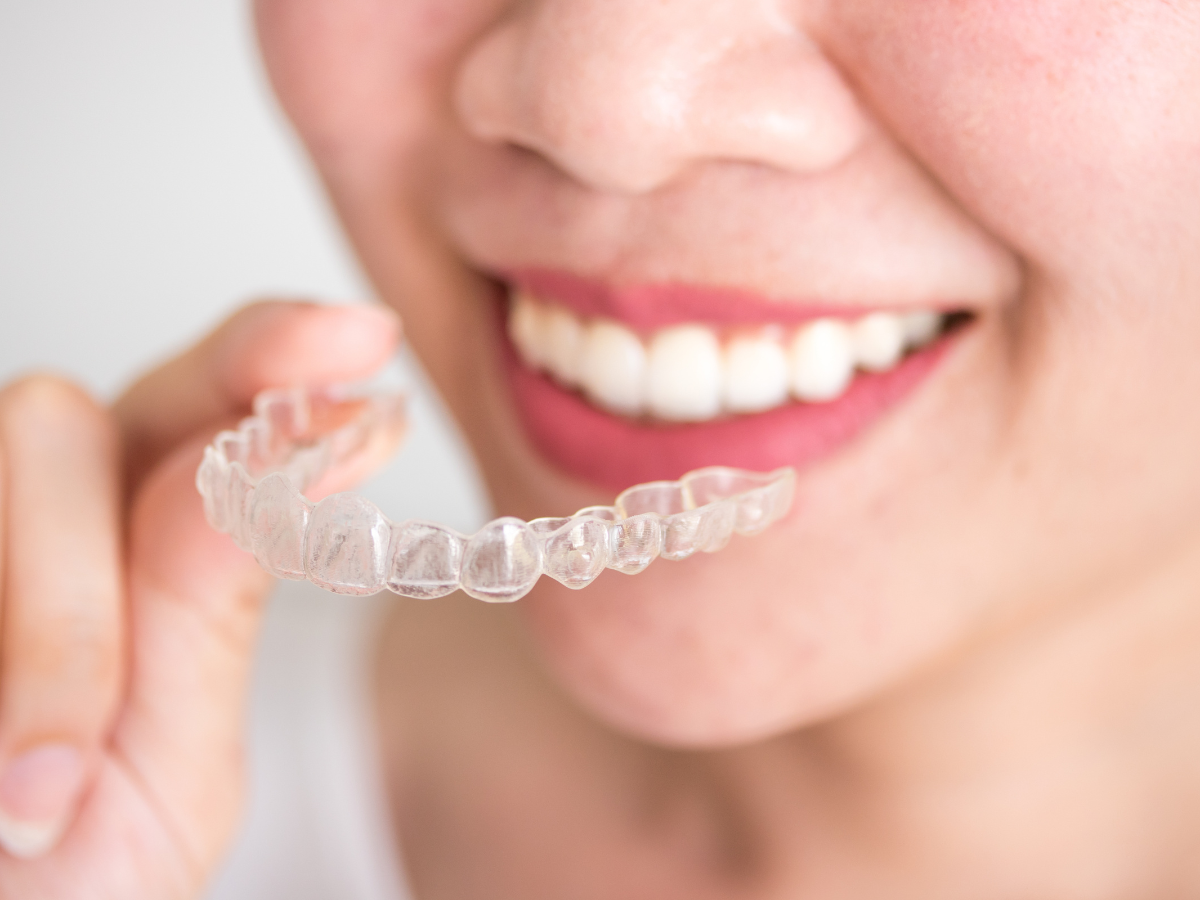


Quick Answer
No. You’re not too old for Invisalign. As long as your teeth, gums, and jawbone are healthy enough to support tooth movement, Invisalign can be a suitable option whether you’re in your 20s, 50s, or even your 60s and beyond.
Is There an Age Limit for Invisalign?
There is no upper age limit for Invisalign treatment. Orthodontic treatment is based on your oral health, not your birth date. Dentists look at factors like healthy gums, sufficient bone support, and the condition of your teeth before recommending Invisalign. If your mouth is healthy, age alone usually isn’t a reason to rule out treatment.
Why Invisalign Is a Great Choice at Every Stage of Life?
One of the biggest reasons Invisalign has become so popular is that it can fit into different stages of life. A child, a teenager, a working professional, and a retiree all have different dental needs, but clear aligners can be adapted to each of them.
Here’s how Invisalign treatment helps people across different age groups.
1. Children (Ages 6 to 10)
Many parents assume Invisalign is only meant for adults, but younger children can also benefit from it in certain situations through Invisalign First.
During these early years, a child’s jaw is still developing. Invisalign First is designed to guide jaw growth, create room for permanent teeth, and help reduce crowding before it becomes a larger problem later on. Addressing these issues early may even reduce the amount of orthodontic treatment needed in the future.
Parents also appreciate that the aligners are removable. Children can brush and floss normally, making it easier to maintain good oral hygiene and lowering the chances of cavities developing around orthodontic appliances.
Comfort is another advantage. Unlike traditional braces, Invisalign aligners are made from smooth plastic, so children don’t have to deal with metal brackets rubbing against the inside of their cheeks or lips.
2. Teenagers (Ages 11 to 19)
The teenage years are when many people begin orthodontic treatment. While traditional braces are still common, many teenagers prefer Invisalign because it is much less noticeable.
The clear aligners allow teens to smile confidently at school, in photos, and during social activities without feeling self-conscious about metal braces.
Parents often worry about whether their teenager will wear the aligners enough. Invisalign addresses this with small blue wear indicators found on certain teen aligners. These indicators gradually fade with regular wear, making it easier to monitor whether the trays are being used as instructed.
Another benefit is flexibility. Teenagers involved in sports, music, or other extracurricular activities can remove their aligners when necessary. Whether it’s playing a contact sport, performing with a musical instrument, or enjoying their favorite foods, Invisalign fits more naturally into an active lifestyle.
3. Adults (Ages 20 to 50)
Many adults spend years thinking they missed their chance to straighten their teeth. In reality, a large number of Invisalign patients begin treatment well into adulthood.
One reason adults choose Invisalign is its discreet appearance. The aligners are nearly invisible, allowing people to attend meetings, presentations, interviews, and social events without drawing attention to their orthodontic treatment.
Unlike traditional braces, there are no food restrictions because the aligners are removed before eating. You don’t have to avoid popcorn, nuts, crunchy vegetables, or your favorite meals. Once you’re finished eating, you simply brush your teeth and place the aligners back in.
4. Seniors (Ages 60 and Above)
If you’re in your 60s or older, you might think orthodontic treatment is no longer an option. In reality, many seniors choose Invisalign to improve both the appearance and function of their smile.
As we get older, teeth can gradually shift out of position. You may notice new gaps, crowding, or changes in your bite, even if your teeth were once straight. These small changes can make brushing and flossing more difficult, allowing plaque to build up in areas that are harder to clean.
Invisalign can help straighten crowded or shifted teeth, making it easier to maintain good oral hygiene and lowering the risk of gum problems over time. It can also improve how your teeth come together when you bite, making everyday activities like chewing more comfortable.
The biggest factor is the health of your teeth, gums, and jawbone. If your dentist determines that your mouth is healthy enough for tooth movement, Invisalign can still be a suitable option well into your 60s, 70s, or beyond.
Is Invisalign Treatment Different for Older Patients?
The overall treatment process stays the same regardless of age. You’ll still wear a series of custom-made aligners that gradually move your teeth into better positions.
However, older adults sometimes require a little more planning.
As we age, the jawbone naturally becomes denser, which can mean teeth move slightly more slowly than they do in younger patients. Many adults also have crowns, bridges, fillings, or other dental work that needs to be considered during treatment planning.
Gum health is another important factor. If gum disease or significant bone loss is present, those issues may need to be treated before starting Invisalign. Older teeth can also show signs of wear after decades of chewing, which your dentist will evaluate during your examination.
None of these factors automatically prevent Invisalign. They simply mean your treatment plan may be more personalized to ensure safe, predictable results.
How Long Does Invisalign Treatment Take for Adults?
Treatment time depends on how much tooth movement is needed rather than your age alone.
For many adults, Invisalign treatment takes somewhere between 6 and 18 months.
If you’re only correcting a small gap or minor crowding, treatment may be finished in as little as 3 to 6 months. Moderate alignment problems often fall within the 6 to 18 month range.
More complex cases, such as significant bite problems, severe crowding, or larger tooth movements, may take 18 to 24 months or longer.
The timeline also depends on how consistently you wear your aligners. Invisalign works best when the trays are worn for about 20 to 22 hours each day. Removing them too often or forgetting to wear them regularly can extend treatment.
During your consultation, your dentist can provide a more accurate estimate based on your individual smile.
Read our complete guide: How Long Is Invisalign Treatment: Timeline & Results Explained
Common Challenges Older Adults May Face with Invisalign
Many older adults complete Invisalign treatment successfully. However, there are a few factors that may require additional attention during the planning process.
1. Bone Support
Healthy bones support tooth movement. If bone loss has occurred due to periodontal disease or other conditions, your dentist may recommend treating those issues before beginning Invisalign.
2. Crowns or Bridges
Existing crowns and bridges don’t automatically prevent Invisalign. However, because these restorations cannot move exactly like natural teeth, your treatment plan may need adjustments to work around them safely.
3. Wearing Aligners Consistently
Unlike braces, Invisalign can be removed whenever you choose. While that flexibility is convenient, it also means success depends on wearing the aligners consistently. Adults with busy schedules should remember to wear them for the recommended number of hours every day.
4. Gum Health and Recession
Gums naturally change over time. If gum recession or periodontal disease is present, it may need to be treated before tooth movement begins. Healthy gums create a stronger foundation for successful orthodontic treatment.
5. Existing Dental Restorations
Fillings, crowns, veneers, implants, and bridges all require special consideration during treatment planning. Your dentist will evaluate each restoration to make sure tooth movement can be completed safely without affecting existing dental work.
6. Dry Mouth and Bad Breath
Some older adults experience dry mouth because of medications or certain health conditions. Wearing aligners can sometimes make this more noticeable if hydration and oral hygiene are neglected. Drinking enough water and following good cleaning habits can help keep your mouth comfortable throughout treatment.
7. Staying Consistent Every Day
The biggest advantage of Invisalign is also its biggest responsibility. Since the aligners are removable, it’s up to you to wear them consistently. Patients who stick to the recommended schedule usually see smoother progress than those who frequently leave the aligners out.
Find Out If Invisalign Is Right for You at Coral Dental Care in Salem, MA
At Coral Dental Care in Salem, MA, our team carefully evaluates your teeth, gums, bite, and overall oral health before recommending treatment. Whether you’re considering Invisalign for cosmetic improvements, correcting shifting teeth, or improving your bite, we’ll create a treatment plan that matches your individual needs and goals.
You’re never too old to invest in a healthier, more confident smile. If your teeth and gums are healthy enough for treatment, Invisalign may still be an excellent option regardless of your age.
Ready to find out if Invisalign is right for you?
Visit Coral Dental Care today and take the first step toward a healthier, straighter smile.
Frequently Asked Questions
-
Can I really get Invisalign in my 50s or 60s?
Yes. Many people begin Invisalign treatment in their 50s, 60s, and even later. Your overall oral health matters much more than your age. Healthy gums and adequate bone support are usually the biggest factors in determining whether you’re a good candidate.
-
Will Invisalign work if I have crowns or dental implants?
In many cases, yes. Crowns generally do not prevent Invisalign treatment. Dental implants cannot move like natural teeth, but your dentist can often plan treatment around them to achieve the desired result.
-
Does Invisalign take longer for adults?
It can. Adult teeth sometimes move more slowly than teenage teeth because the jawbone is fully developed. Even so, many adults complete treatment within the expected timeframe by wearing their aligners consistently.
-
Can I get Invisalign if I have receding gums or bone loss?
Possibly. Mild cases may still qualify, but your dentist will first evaluate your gum health and bone support. If gum disease is present, it is usually treated before Invisalign begins.
-
Will Invisalign work if I’ve already had orthodontic treatment as a teenager?
Yes. Teeth can gradually shift over time, even after braces. Invisalign is commonly used to correct this type of relapse and restore proper alignment.
-
Does menopause or hormonal change affect Invisalign treatment?
Hormonal changes themselves do not prevent Invisalign treatment. However, they can influence gum health or bone density in some people, which is why a thorough dental examination is important before starting treatment.
-
How many teeth do I need to have for Invisalign to work?
There isn’t a fixed number. Invisalign works by moving your natural teeth, so your dentist will evaluate how many healthy teeth you have, along with your bite and overall oral health, to determine whether the treatment is appropriate for you.