
Key Takeaways
- Invisalign can fix many underbite cases, especially when the issue is mainly with tooth alignment rather than a major jaw imbalance.
- Aligners gently guide teeth into the right position, and attachments or elastics may be added for extra support in more complex cases.
- You are a good candidate for Invisalign if your underbite is mild to moderate, mostly dental, and you want a comfortable, removable treatment option.
- Treatment usually takes 9 to 18 months, with 20-22 hours of daily wear, regular check-ins, and retainers afterward to maintain your results.
- Invisalign is ideal for discreet, flexible care, while braces may be better for severe or skeletal underbites that need stronger correction.
Can Invisalign Fix an Underbite?
Yes — Invisalign can fix an underbite, but it depends on the severity and the cause.
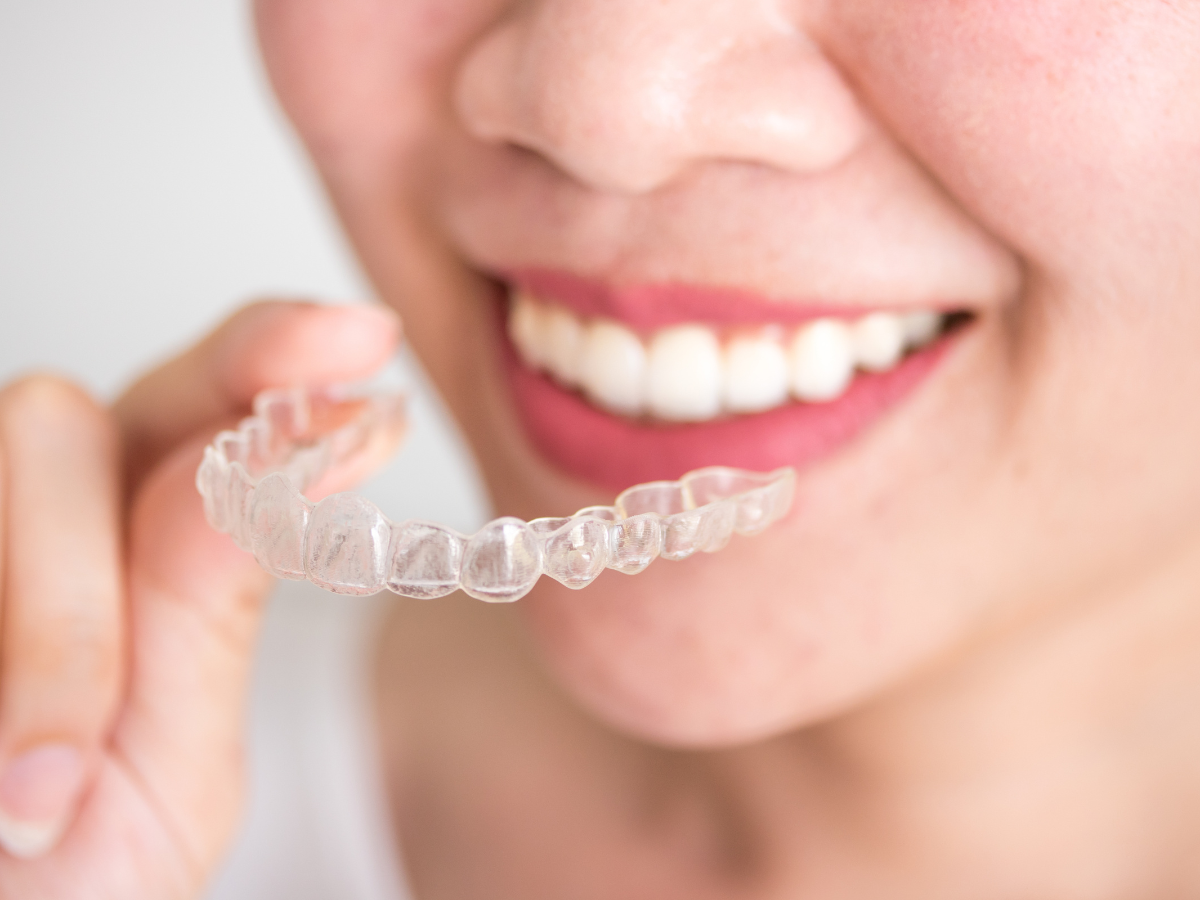
Invisalign is effective for mild to moderate underbites caused mainly by tooth misalignment. It works by gradually shifting teeth into proper alignment using custom clear aligners. However, severe underbites caused by jaw structure may require additional orthodontic treatment or surgery.
In this post, you’ll find a clear breakdown of how Invisalign helps, when it works best, and what the treatment process feels like from start to finish.
How Does Invisalign Correct an Underbite?
Underbites can happen when the lower teeth sit too far forward, or when the upper jaw sits slightly back. Invisalign helps by slowly guiding your teeth into a healthier, more balanced bite. Here’s how the aligners actually do it:
-
Gentle Pressure to Move Teeth Into the Correct Positions
Each aligner is shaped in a way that nudges your teeth little by little. For underbites, Invisalign can move lower teeth backward or upper teeth forward. This gradual shift helps your bite settle into the right position without the friction or poking wires that come with braces.
-
Attachments or Elastics for Extra Support
Some underbite cases need a bit more control. Your dentist may add:
- Small tooth-colored attachments to guide complex movements.
- Elastics to help correct bite relationships.
These additions make the treatment stronger without taking away from the clear, discreet look people love about Invisalign.
When is Invisalign the Best Choice for an Underbite?
Invisalign works very well when the underbite is mainly a dental issue, not a major jaw-bone issue. You are usually a good candidate if:
-
You Have a Dental Underbite
This means the alignment of your teeth and not the structure of your jaw is the main reason for the underbite. Invisalign can often correct these cases smoothly.
-
Your Underbite is Mild or Borderline Moderate
Sometimes the underbite is a mix of jaw and teeth concerns. As long as the jaw difference isn’t too large, Invisalign still works well.
-
You Want a Comfortable, Removable Option
If you prefer an aligner you can remove for meals, brushing, or big events, Invisalign naturally fits your lifestyle better than fixed appliances.
Benefits of Using Invisalign for an Underbite
Why do so many patients wonder, “Can Invisalign fix an underbite?” It’s not just for the appearance. Here are the benefits that matter most:
-
Nearly Invisible Treatment
The clear design helps you go through treatment without drawing attention to your smile. This is especially helpful for working adults and teens who feel self-conscious about braces.
-
Removable for Eating and Cleaning
No food restrictions! No tricky brushing around brackets! Just take the aligners out, clean your teeth, and pop them back in.
-
Digital Treatment Planning
Your dentist plans your movement with precise 3D scans. So, you know exactly how your teeth are expected to shift before treatment even begins.
-
Less Irritation Than Metal Braces
No wires, no metal, no sudden pokes. Just smooth trays designed to fit comfortably!
What to Expect During Invisalign Underbite Treatment?
If you choose Invisalign, here’s what the journey usually looks like from start to finish:
-
Consultation and 3D Scan
First of all, your dentist reviews your teeth, talks about your goals, and takes a detailed digital scan. This is where you find out whether Invisalign is the best option for your specific underbite.
-
Custom Aligner Creation
The digital scan is used to create a series of aligners. Each one moves your teeth slightly until they reach the planned position.
-
Custom Aligner Creation
You wear each aligner for about 1-2 weeks. Keeping them in place for at least 20 hours daily is the key to steady progress.
-
Regular Check-In Visits
You need to visit the clinic every few weeks so your dentist can check the movement and give you your next set of aligners.
-
Treatment Duration
Most underbite cases take 9 to 18 months, depending on how complex the movement is.
-
Retainers After Treatment
Once your bite is corrected, you need a retainer to keep everything stable. Think of it as protecting your hard-earned results.
Related Read – Retainers After Invisalign Treatment: Why Does it Matter?
How Can You Get the Best Invisalign Underbite Results: Useful Tips!
A few habits can make your treatment smoother and faster:
-
Stick to the Wear Time
Wearing aligners for less than 20 hours a day slows down progress and may extend your timeline.
-
Keep Your Aligners and Teeth Clean
Clean them regularly to avoid stains and prevent odors. Good hygiene also helps you avoid cavities during treatment.
-
Attend All Check-Ups
Small adjustments and monitoring help your dentist keep everything on track.
-
Report Any Fit Issues Early
If an aligner feels too tight, loose, or painful, let your dentist know. Early correction prevents problems later.
Invisalign vs Braces: Which is Better for an Underbite?
Some patients do better with Invisalign, while others need braces. It depends on your underbite type, goals, and comfort level.
Choose Invisalign if:
- Your underbite is mild to moderate
- The issue is mostly dental, not skeletal
- You can commit to 20-22 hours/day wear
- You want a discreet, removable option
- You want fewer clinic visits and easier cleaning
Choose Braces if:
- You have a severe or skeletal underbite
- You need precise, complex movements
- You don’t mind a visible treatment
- Your bite requires a strong, controlled force for correction
Related Read – Invisalign vs. Braces: Which is better?
You can keep these points in mind for knowledge purposes, but remember, your dentist is the best person to guide you based on your dental exam and digital scan.
If you are looking for a comfortable way to correct an underbite, Invisalign can be a great option, especially when the problem comes from tooth alignment more than jaw position. With the right treatment plan and daily habits, you can enjoy a balanced bite and better function. You can achieve a confident smile without the look or feel of traditional braces.
At Coral Dental Care, our experienced orthodontists use advanced technology to help you achieve a balanced bite and a confident smile. We create personalized Invisalign treatment plans for mild to moderate underbites, keeping your comfort and lifestyle in mind.
book your appointment online

Dr. Anu Isaac, DMD, runs a successful dental practice in Salem, MA. Dr. Isaac strives for quality on a daily basis and this commitment to quality is reflected in her constant pursuit of advanced training. Her firm belief that even experts need to stay updated about what’s new in the dental field, enables her to provide every patient with optimal oral care. As the founder of Coral Dental Care, she is dedicated to creating healthy, beautiful smiles for her patients and also to educating dental and non-dental community with her engaging articles on all things related to oral health, recent dental innovations, and latest treatment modalities.