

A headache can have dozens of possible causes, from stress and dehydration to eye strain and sinus problems. But did you know that your wisdom teeth could also be responsible? As wisdom teeth begin to erupt, they can place pressure on surrounding tissues, irritate nerves, or affect the jaw joint. In some people, this discomfort stays limited to the back of the mouth. In others, the pain spreads to the temples, ears, jaw, or even the entire side of the head. Understanding how wisdom teeth can contribute to headaches helps you know when it’s time to see a dentist instead of simply reaching for another painkiller.
What Wisdom Teeth Related Conditions Can Trigger Headaches?
Not everyone develops headaches when their wisdom teeth come in. Usually, headaches happen because of an underlying dental problem rather than the tooth itself. Here are the most common conditions that can trigger headache pain.
- Impacted Wisdom Teeth
- Infection Around the Wisdom Tooth (Pericoronitis)
- Jaw Muscle Tension
- emporomandibular Joint (TMJ) Irritation
- Pressure on Nearby Nerves
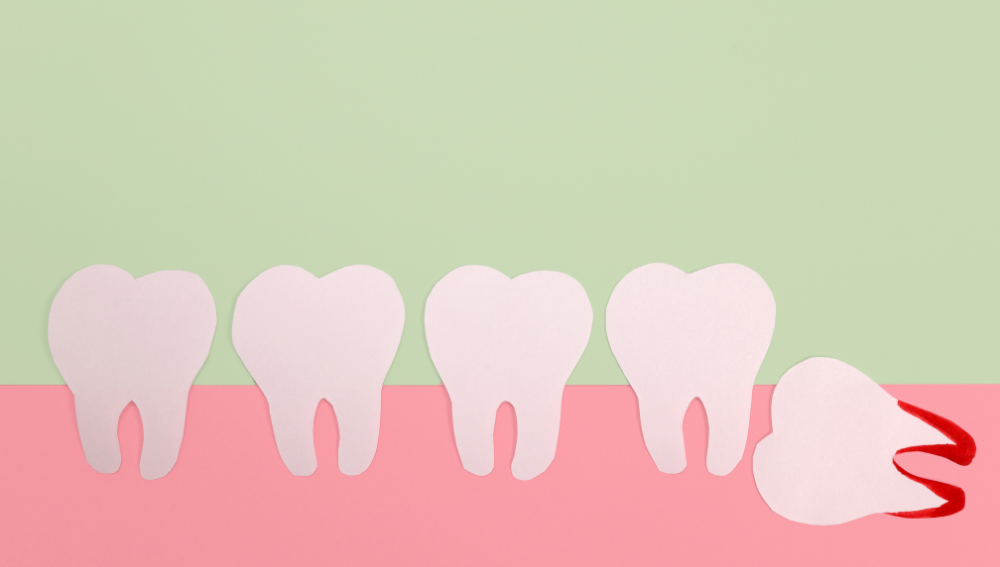
An impacted wisdom tooth is one that cannot fully erupt because there isn’t enough space in the jaw. It may remain trapped under the gums or grow sideways against the neighbouring tooth.
This constant pressure can irritate nearby nerves and surrounding tissues. As a result, you may feel an aching that starts in the jaw and gradually spreads toward your temples or the side of your head.
Sometimes a wisdom tooth only partially erupts, leaving a flap of gum covering part of the tooth. Food particles and bacteria can easily become trapped underneath, leading to an infection called pericoronitis.
Besides gum pain and swelling, this infection can trigger headaches, jaw discomfort, bad breath, and difficulty opening your mouth comfortably.
When your wisdom teeth are painful, you may unconsciously clench your jaw or chew differently to avoid the sore area.
Over time, these strained muscles can become tight and tender. Muscle tension around the jaw often radiates upward, creating headaches that resemble tension headaches.
The temporomandibular joint connects your jaw to your skull. Wisdom teeth that erupt at awkward angles or affect your bite may place extra stress on this joint.
When the TMJ becomes irritated, you may notice headaches along with jaw clicking, stiffness, or pain while talking and chewing.
Wisdom teeth develop close to several important nerves in the jaw.
If an erupting or impacted wisdom tooth presses against these nerves, the discomfort may travel beyond the tooth itself. Some people describe pain extending into the temples, ears, cheeks, or even the neck.
What are the Signs That Your Headaches May Be Caused by Wisdom Teeth?
A headache alone doesn’t automatically mean your wisdom teeth are the problem. However, certain symptoms appearing together make the connection more likely.
- Swelling in Your Gums
- Soreness in the Jaw Along With a Headache
- Pain When Opening Your Mouth Wide
- Headaches That Worsen When You Bite Down
- Pain on the Side Where Your Wisdom Tooth Is Erupting
- Headache Accompanied by an Earache
- Headache When Eating Something Cold or Hot
- Tingling or Numbness in the Face
- Severe Migraines or Tension Headaches
- Sinus Headaches
Swollen or inflamed gums near the back of your mouth often suggest that a wisdom tooth is erupting or becoming infected.
If your jaw feels sore or tight at the same time your head hurts, the pain may be coming from your wisdom teeth or surrounding muscles.
Difficulty yawning, laughing, or opening your mouth fully can indicate inflammation around the wisdom tooth or irritation of the jaw joint.
If chewing or clenching your teeth makes your headache worse, pressure from an impacted wisdom tooth may be contributing to the pain.
Pain that stays mainly on one side of your face or head, especially near the erupting wisdom tooth, is another possible clue.
The nerves around the jaw and ears are closely connected. Wisdom tooth pain can sometimes spread toward the ear, making both areas feel uncomfortable.
Temperature sensitivity may occur if nearby teeth or inflamed tissues become irritated while your wisdom tooth is erupting.
Although uncommon, pressure on nearby nerves can occasionally cause tingling or numbness. This symptom should always be evaluated by a dentist as soon as possible.
Wisdom teeth do not directly cause migraines. However, existing migraine or tension headaches may become more frequent or feel worse if wisdom tooth pain is adding extra stress to your body.
Upper wisdom teeth sit close to the sinus cavities. Sometimes the discomfort can feel similar to sinus pressure, although the tooth itself may not actually be causing a sinus headache.
What Does a Wisdom Tooth Headache Feel Like?
People experience wisdom tooth headaches differently, but the pain usually starts around the jaw before spreading outward. Some describe it as a dull ache that slowly builds throughout the day, while others notice throbbing pain around the temples or behind the ears.
You may also notice that the headache becomes worse while chewing, talking for long periods, or opening your mouth wide.
| Symptom | Wisdom Tooth Related? |
|---|---|
| Pain near the temples | Yes |
| Jaw pain | Yes |
| Ear pain | Yes |
| Neck stiffness | Sometimes |
| Pain while chewing | Yes |
| Facial swelling | Often |
| Fever | Usually indicates infection |
| Migraine aura | Usually No |
Other Symptoms That Often Occur Along With Wisdom Tooth Headaches
Headaches are rarely the only symptom. Many people notice several other warning signs at the same time.
These may include:
- Jaw stiffness
- Difficulty opening the mouth
- Swollen gums
- Bad breath
- An unpleasant taste in the mouth
- Tender gums
- Redness around the wisdom tooth
- Ear pain
- Pain behind the back molars
- Swollen lymph nodes
- Difficulty chewing
If several of these symptoms appear together, it is worth arranging a dental examination instead of continuing to manage the headache on your own.
How to Relieve Wisdom Tooth Headaches?
The right treatment depends on what is causing the pain. While home care can provide temporary relief, persistent symptoms usually need professional treatment.
-
Home Remedies
If your symptoms are mild, these simple steps may help reduce discomfort.
- Applying a cold pack to the outside of your jaw for 15 to 20 minutes can reduce swelling and temporarily numb the painful area.
- Rinsing with warm salt water helps keep the area clean and may reduce irritation around partially erupted wisdom teeth.
- Choose foods that require very little chewing until the pain settles. This reduces pressure on the affected side.
- Drinking enough water supports healing and helps keep your mouth clean.
- Your body heals more efficiently when you’re well rested. Lack of sleep can also make headaches feel worse.
- Using the opposite side of your mouth helps reduce irritation while eating.
- Brush carefully around the wisdom tooth and floss regularly to reduce bacterial buildup.
-
Medications
For temporary relief, your dentist may recommend:
- Over the counter pain relievers
- Anti inflammatory medications
Always take medications according to the recommended dosage or your dentist’s instructions.
-
Dental Treatments
If home care is not enough, professional treatment may be needed.
Depending on the cause, your dentist may recommend:
- Cleaning around partially erupted wisdom teeth
- Antibiotics if an infection is present
- Draining an abscess when necessary
- Wisdom tooth extraction if the tooth is impacted or repeatedly causing problems
How Do Dentists Diagnose Wisdom Teeth as the Cause of Headaches?
Because headaches have many possible causes, dentists use several methods before confirming that wisdom teeth are responsible.
1. Clinical Examination
Your dentist checks your gums, jaw movement, bite, and the position of your wisdom teeth while asking about your symptoms.
2. Digital X-rays
Digital X-rays reveal impacted teeth, infections, bone changes, and the direction in which the wisdom teeth are growing.
3. Panoramic X-ray
A panoramic X-ray provides a complete view of both jaws and all teeth, making it easier to assess wisdom tooth development and surrounding structures.
4. CBCT Scan (When Required)
For more complex cases, a Cone Beam CT scan creates detailed three-dimensional images. This helps your dentist evaluate nerve positions and plan treatment more accurately.
Can Wisdom Teeth Headaches Be Prevented?
Not every wisdom tooth problem can be prevented, but early care often reduces the chances of complications.
Some simple habits include:
- Visit your dentist for routine checkups.
- Get recommended dental X-rays to monitor developing wisdom teeth.
- Remove problematic wisdom teeth before they begin causing repeated issues.
- Maintain good daily oral hygiene.
- Treat infections promptly instead of waiting for the pain to become severe.
- Avoid ignoring swelling, jaw pain, or recurring headaches.
When Should You See a Dentist?
Occasional headaches are common and usually have nothing to do with your teeth. However, if your headaches keep returning along with jaw pain, swollen gums, difficulty chewing, or pain behind your back molars, it is worth scheduling a dental evaluation.
Early diagnosis can prevent infections from becoming worse and help you avoid more serious dental complications later.
Find Relief for Headaches Caused by Wisdom Tooth at Coral Dental Care
Experiencing persistent headaches along with wisdom tooth pain or swollen gums?
Visit Coral Dental Care for a thorough dental evaluation. Our experienced team of dentists can identify whether your wisdom teeth are causing your symptoms and recommend the treatment that best suits your condition.
Persistent headaches with wisdom tooth pain?
Let the dentists at Coral Dental Care find the cause and right solution. Schedule your appointment today
Frequently Asked Questions
-
Can wisdom teeth cause headaches every day?
They can if the wisdom tooth is impacted, infected, or continuously irritating nearby tissues. Daily headaches should always be evaluated by a dentist.
-
Can wisdom teeth cause migraines?
Wisdom teeth do not directly cause migraines, but they can trigger or worsen migraine attacks in people who are already prone to them.
-
Can impacted wisdom teeth cause ear pain and headaches together?
Yes. Impacted wisdom teeth can place pressure on nearby nerves and jaw structures, causing pain that spreads to both the ear and the head.
-
How long do wisdom tooth headaches last?
Headaches caused by erupting wisdom teeth may continue until the tooth fully erupts or is treated. After wisdom tooth removal, headaches usually improve within 48 to 72 hours and most discomfort settles within three to seven days. If pain continues beyond a week, you should contact your dentist.
-
Does removing wisdom teeth cure headaches?
If the headache is directly caused by the wisdom tooth, removal often provides lasting relief after the healing period. However, headaches caused by other medical conditions will require separate treatment.
-
Can wisdom teeth cause jaw pain and headaches together?
Yes. This is one of the most common combinations of symptoms. Inflammation around the wisdom tooth, muscle tension, or TMJ irritation can all cause jaw pain and headaches at the same time.