

Quick Answer:
You should arrange a root canal as soon as your dentist recommends it. There is no universally safe waiting period, as an untreated infection can worsen and may eventually lead to an abscess or tooth loss.
When is a Root Canal Needed?
A root canal is generally recommended when the pulp, the soft tissue inside your tooth containing nerves and blood vessels, becomes infected or severely damaged. This can happen due to deep tooth decay, cracks, injuries, or repeated dental procedures.
Here are some signs that you may need a root canal:
- Persistent Pain: Tooth pain that continues for several days, occurs without an obvious reason, or wakes you up at night may indicate damage or infection inside the tooth.
- Lingering Sensitivity: If you feel sharp pain when drinking something hot or cold and the discomfort continues even after you stop, the pulp may be affected.
- Chewing Discomfort: Pain or pressure when biting down or chewing food can point to inflammation or infection around the tooth’s root.
- Gum Changes: Swelling, tenderness, or a small pimple-like bump on the gums near a tooth may indicate an infection. You may also notice pus or an unpleasant taste in your mouth.
- Tooth Discoloration: A tooth that gradually turns grey or darker than the surrounding teeth may have damaged or infected pulp.
How Long Can You Delay a Root Canal?
There isn’t a standard waiting period that applies to everyone. Some teeth may have extensive damage without causing much pain, while others can develop a painful infection quite quickly. Your dentist will consider the condition of the tooth, the extent of the infection, and whether the surrounding tissues are affected before recommending a treatment timeline.
If your dentist has already told you that you need a root canal, avoid putting it off for several weeks simply because the pain is manageable. The infection can continue to develop even when you are not experiencing much discomfort.
Pay attention to what is happening with the tooth:
- The pain is getting worse: Contact your dentist and arrange treatment promptly. Do not keep relying on painkillers to get through the day.
- Your gums are swollen: Get the tooth checked as soon as possible. Swelling or a pocket of pus can indicate an abscess.
- The pain has disappeared: This does not necessarily mean the infection is gone. The nerve may have died, which can stop the pain while leaving the infection untreated.
If you have facial swelling, fever, or feel unwell, seek urgent dental care. Difficulty breathing or swallowing requires emergency medical attention.
What Happens If You Delay a Root Canal?
Leaving an infected tooth untreated can affect more than just the tooth itself. Here is what may happen if you continue to postpone treatment:
- Worsening Pain: What starts as occasional toothache can turn into persistent pain. You may find it difficult to chew on that side, sleep comfortably, or concentrate on everyday activities.
- Abscess Formation: Bacteria can spread beyond the tooth’s pulp and cause an abscess, which is a pocket of pus near the root. This can lead to swelling, tenderness, fever, and an unpleasant taste in your mouth.
- Bone and Tooth Loss: An untreated infection can damage the bone and tissues surrounding the tooth’s root. If the damage becomes severe, the tooth may no longer have enough support to remain in place and may need to be extracted.
- Spread of Infection: In some cases, the infection can move beyond the affected tooth into nearby tissues. Severe dental infections can spread to the jaw, face, and other areas of the body, requiring urgent medical attention.
Get Timely Root Canal Treatment at Coral Dental Care in Salem, MA
If you have been dealing with tooth pain or have been told that you need a root canal, start with a dental examination. At Coral Dental Care, we assess the affected tooth, discuss your symptoms, and use dental X-rays when needed to check the roots and surrounding bone. This helps us understand how much of the tooth has been affected and whether root canal treatment is the right option.
During the procedure, we numb the area with local anesthesia and remove the infected or damaged pulp from inside the tooth. We then clean and disinfect the root canals before sealing them. Once the treatment is complete, the tooth may need a filling or crown to restore its strength and protect it from further damage. The exact restoration depends on how much healthy tooth structure remains.
Don’t Wait Until a Cavity Starts Hurting
If you’re experiencing tooth pain or sensitivity, visit Coral Dental Care to explore your treatment options. Book your appointment at Coral Dental Care.
Consult our dentists at Coral Dental Care in Salem, MA
Frequently Asked Questions
1. My tooth stopped hurting. Do I still need a Root Canal?
Yes, possibly. If the nerve inside your tooth has died, the pain may disappear even though the infection remains. Visit your dentist to check whether treatment is still needed.
2. Is 2 weeks too long to wait for a Root Canal?
It depends on the condition of your tooth. Two weeks may be manageable in some cases, but an active infection can worsen during that time. Contact your dentist and ask how soon you should receive treatment.
3. How do I know If It’s too late for a Root Canal?
A root canal may no longer be possible if the tooth has a severe fracture, extensive damage, or insufficient bone support. Your dentist can determine whether the tooth can still be saved after an examination and X-rays.
4. Will a tooth infection go away on its own?
No. A tooth infection generally requires dental treatment to remove its source. The pain may temporarily disappear, but the underlying infection can remain and worsen.
5. Can antibiotics cure the infection?
Antibiotics alone cannot remove infected pulp or cure most infections inside a tooth. Root canal treatment or extraction is usually needed to address the source of the infection. Your dentist may prescribe antibiotics if the infection is spreading or causing systemic symptoms.
6. Is it better to pull the tooth than wait for a Root Canal?
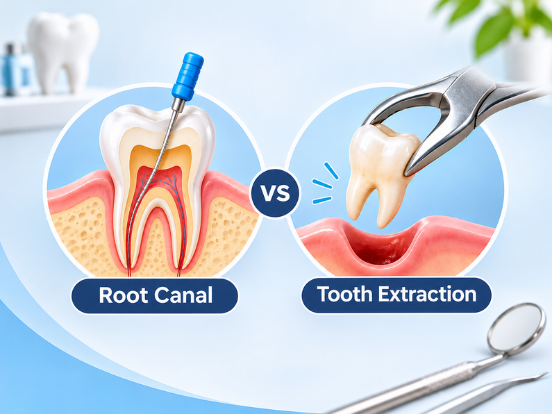
Not necessarily. A root canal can often save your natural tooth, while extraction permanently removes it. Your dentist will recommend extraction if the tooth is too damaged to restore.
7. Does a Root Canal cost more if I wait?
Not automatically. However, delaying treatment can lead to complications that may require additional procedures. If the tooth cannot be saved, extraction and replacement may also add to your overall dental expenses.