

Finishing your Invisalign treatment is a big milestone, but keeping your new smile in place requires one more important step: wearing retainers. After your aligners straighten your teeth, the surrounding bone and tissues need time to stabilize. Without retainers, your teeth can slowly shift back into their old positions. That’s why the retention phase is a crucial part of every orthodontic journey. In this guide, you’ll learn why retainers are necessary after Invisalign, how long you need to wear them, and what you can do to protect the results of your treatment.
What are Retainers?
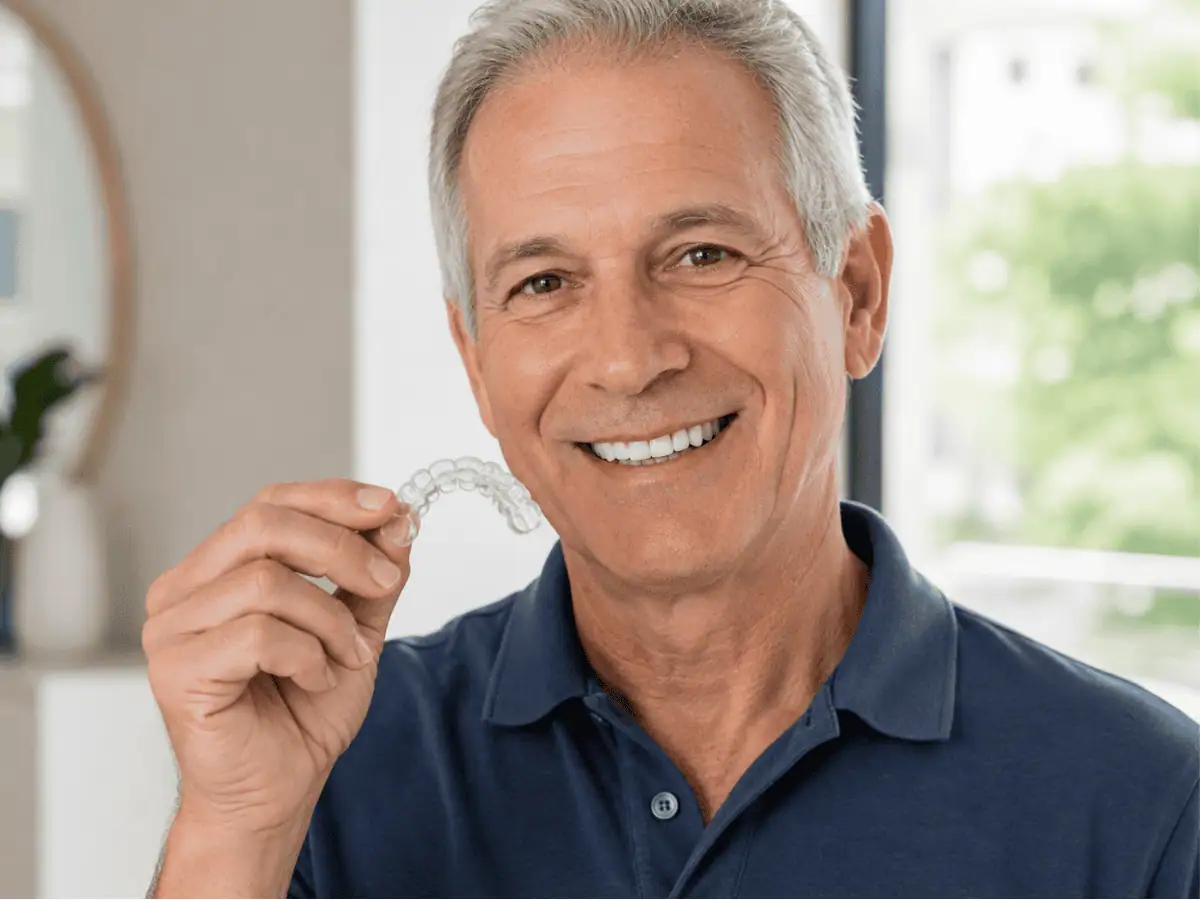
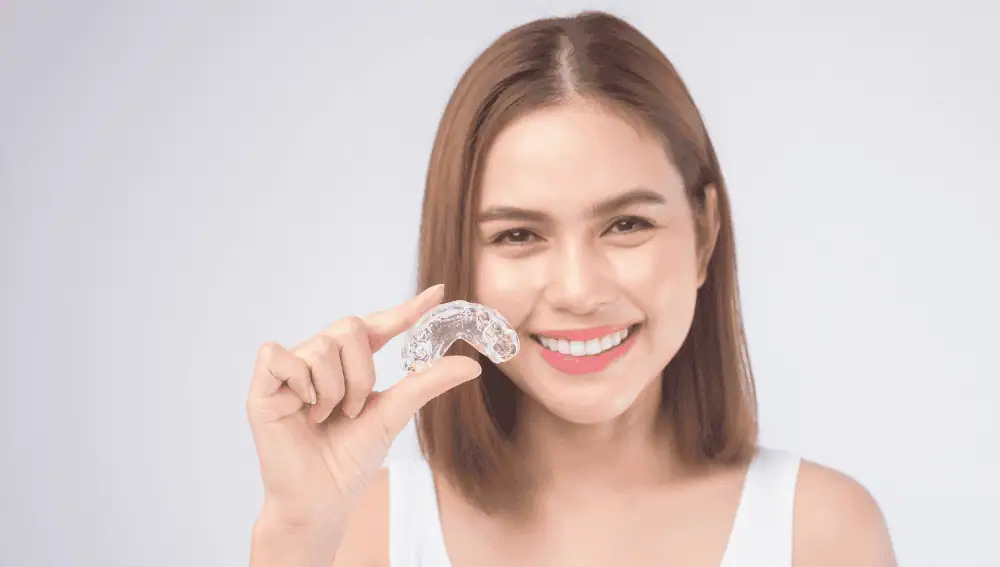
Retainers are specially created dental appliances intended to hold your teeth in their newly aligned positions after receiving orthodontic treatment, such as Invisalign. They basically take on the role of your teeth’s caretaker. When they are absent, your teeth tend to revert to their previous positions, a condition called “relapse.”
Retainers are like your dental bodyguard. You wouldn’t want your teeth to rebel after all that effort, would you? Several types of retainers provide comfort and privacy. They are a crucial—and occasionally disregarded—aspect of aftercare therapy.
What are the Benefits of Wearing a Retainer After Invisalign?
You might be wondering why these devices, often seen as a “necessary evil” after braces, deserve your attention. Here’s why
-
Prevents Your Teeth From Relapsing
Studies show that approximately only 30% to 50% of orthodontic patients retain their results without experiencing some degree of relapse within a year. By regularly wearing an Invisalign retainer after treatment, you effectively mitigate this risk. They ensure that your teeth remain in their new, desired positions.
-
Preserves Comfort and Stability
In addition to maintaining the stability of your teeth, wearing retainers also keeps them comfortable. Your teeth may feel a little strange at first as they adjust to their new positions. However, with a retainer, the process can go smoothly and without any problems.
-
Ensures Long-term Health of Your Teeth and Gums
Regular use of retainers can have a significant positive impact on your teeth and gums. They lower the risk of gum disease by assisting in maintaining appropriate alignment. Many dental concerns, such as increased enamel wear and jaw disorders, can result from misaligned teeth.
-
Secures Your Investment
You’ve likely invested a significant amount of time and money into your orthodontic treatment. Wearing a permanent retainer after Invisalign serves as insurance on that investment, safeguarding your results and prolonging the benefits of your treatment for years to come.
-
Increases Self-respect and Self-belief
A perfect smile can greatly boost your self-esteem. By protecting that smile with a retainer, you ensure that your confidence remains sky-high—no more worries about teeth shifting!
-
Modifies the Position of the Tongue
The capacity of a retainer to assist in guiding your tongue into the right position is a subtle but frequently overlooked advantage for many people. In addition to improving speech, this may even save future dental problems brought on by an incorrect bite.
Keep your smile beautiful with our custom-fitted retainers.
What are the Types of Retainers Available After Invisalign?
Even though a lot of businesses provide retainers, the Vivera® retainer is a well-known brand in the Invisalign industry. Comfort and efficacy are guaranteed with this contemporary, custom-fit Invisalign retainer. In addition, let’s examine the 4 types of retainers that are accessible to wear after Invisalign.
-
Removable Clear Retainers
These are the most common post-Invisalign retainers and can be easily slipped on and off. Made from a clear, durable plastic, they are nearly invisible, providing a discreet way to maintain your smile.
-
Fixed Retainer
Usually, a thin wire is bonded to the back of the teeth with a fixed retainer which is not removable. This type is preferred for patients who require a constant hold on their alignment, particularly for those who may forget to wear their removable retainer consistently.
-
Hawley Retainer
This traditional retainer type is a combination of a metal wire and a plastic base. While a bit more noticeable, Hawley retainers are highly effective and allow for adjustments as needed.
How Long Do You Have to Wear Retainers After Invisalign?
- First 6 months: You’ll typically need to wear your retainers full-time (about 20–22 hours a day). This is the period when your teeth are most likely to shift back.
- 6–12 months: Your dentist may allow you to switch to night-time wear only, depending on how stable your teeth are.
- After 1 year: Most people need to continue wearing retainers every night to maintain long-term alignment.
- Long-term: Orthodontists generally recommend wearing retainers for life, even if it’s only a few nights a week, because teeth naturally shift with age.
What Could Impact the Duration of Wearing Retainers?
The length of time you need to wear your retainer after Invisalign may depend on a few things. These consist of
- The Severity of the Initial Dental Issue Longer retention may be necessary in more complicated instances.
- Treatment Compliance You may experience a shorter retention period if you adhere closely to your orthodontic treatment plan.
- Age Relapse risk is generally higher in younger patients.
- Assessment of the Retention Stage Frequent examinations can assist in identifying any necessary modifications.
- Individual Physical Condition Everybody reacts differently in terms of their biology and dentition.
- Genetics: Some people may naturally experience more tooth movement than others.
What happens if You Don’t wear a retainer after Invisalign?
Not wearing your retainer might have serious repercussions. If you neglect retainer use, you may experience relapse partially or completely within five years of treatment. This implies that all of your hard work might be undone, and you would have to start over. Furthermore, the extra time and expenses needed for re-treatment are quite annoying.
How Should You Maintain and Clean Your Retainers?
You must take good care of your retainer if you want to get the most out of it. The following crucial advice can help you maintain the best possible condition for your retainers
- Always store your retainer in its designated container. This minimizes the risk of losing or breaking it and keeps it safe from any environmental threats.
- Regularly cleaning your retainer with mild soap and lukewarm water is the safest way to maintain its integrity. Avoid harsh chemicals. Additionally, some dental specialists may recommend using special cleaning tablets designed specifically for retainers.
- Food particles can easily get trapped in your retainer, potentially leading to bacterial growth. To avoid this, remove your retainer before meals.
- Your retainer may become warped and distorted by heat. Your teeth will appreciate it if you take off your retainer while sipping your hot cup of coffee, tea, or hot chocolate.
Although they might not have the same glitz as your most recent orthodontic experience, retainers are crucial to keeping your newly restored smile looking great. You can safeguard your investment and guarantee the durability of your results by being aware of the types, advantages, and maintenance requirements of retainers.
Wearing retainers after Invisalign is crucial to maintaining that brilliant smile, so finishing your Invisalign journey is only the first step. Finally, stay in touch with your orthodontist! They are your best ally in determining the right retention schedule.
At Coral Dental Care, we offer custom-fitted retainers and specialized aftercare designed to ensure your teeth remain in position. We keep your smile beautiful!
Frequently Asked Questions About Retainer After Invisalign
-
Do you have to wear a retainer after Invisalign?
Yes. Retainers are essential to maintain the result of your orthodontic treatment.
-
Do you have to wear retainers forever after Invisalign?
Most people need to wear retainers long-term, usually every night or a few nights a week, because teeth can naturally shift over time. Wearing them consistently helps maintain your Invisalign results for life.
-
When can you take your retainer off?
Based on individual evaluations, your orthodontist will be the best person to decide this. Remember, accurate assessments require routine examinations.
-
How long can you go without wearing a retainer?
You should not go more than a day or two without wearing your retainer, as your teeth can start shifting quickly. If you’ve gone several days or longer, you may feel tightness when you put it back on, which is a sign of early relapse.
-
Are retainers and Invisalign the same?
No, retainers and Invisalign are not the same. Invisalign aligners move your teeth into new positions, while retainers are worn after treatment to hold your teeth in place and prevent them from shifting back.
-
What happens if my permanent retainer falls out?
If your permanent retainer falls out, your teeth can start shifting quickly, so you should contact your dentist or orthodontist as soon as possible to get it repaired or replaced. In the meantime, wear your removable retainer (if you have one) to maintain alignment.
-
What happens if I stop wearing my retainer?
Your teeth may begin to move out of alignment, possibly undoing some or all of the results from your Invisalign treatment.
-
Do permanent retainers work better than removable ones?
Both work well, but permanent retainers provide continuous support, while removable retainers require consistent wear to be effective.
-
Does wearing a retainer hurt?
Retainers usually don’t hurt, though mild pressure can occur, especially if you haven’t worn them consistently.