
Quick Answer
Dental cleaning is a preventive dental procedure that removes plaque, tartar, and surface stains from your teeth and along the gumline. It helps prevent cavities, gum disease, bad breath, and other oral health issues while keeping your teeth and gums healthy.
Most people brush their teeth every day and try to floss regularly. While those habits are important, they are only part of maintaining good oral health. Over time, plaque and tartar can build up in areas that are difficult to clean at home. That is where professional dental cleaning comes in. Regular cleanings help prevent cavities, gum disease, and other dental problems before they become serious. In this blog, we’ll explain what dental cleaning is, what happens during the procedure, how long it usually takes, and why it plays such an important role in keeping your teeth and gums healthy.
What is Dental Cleaning?
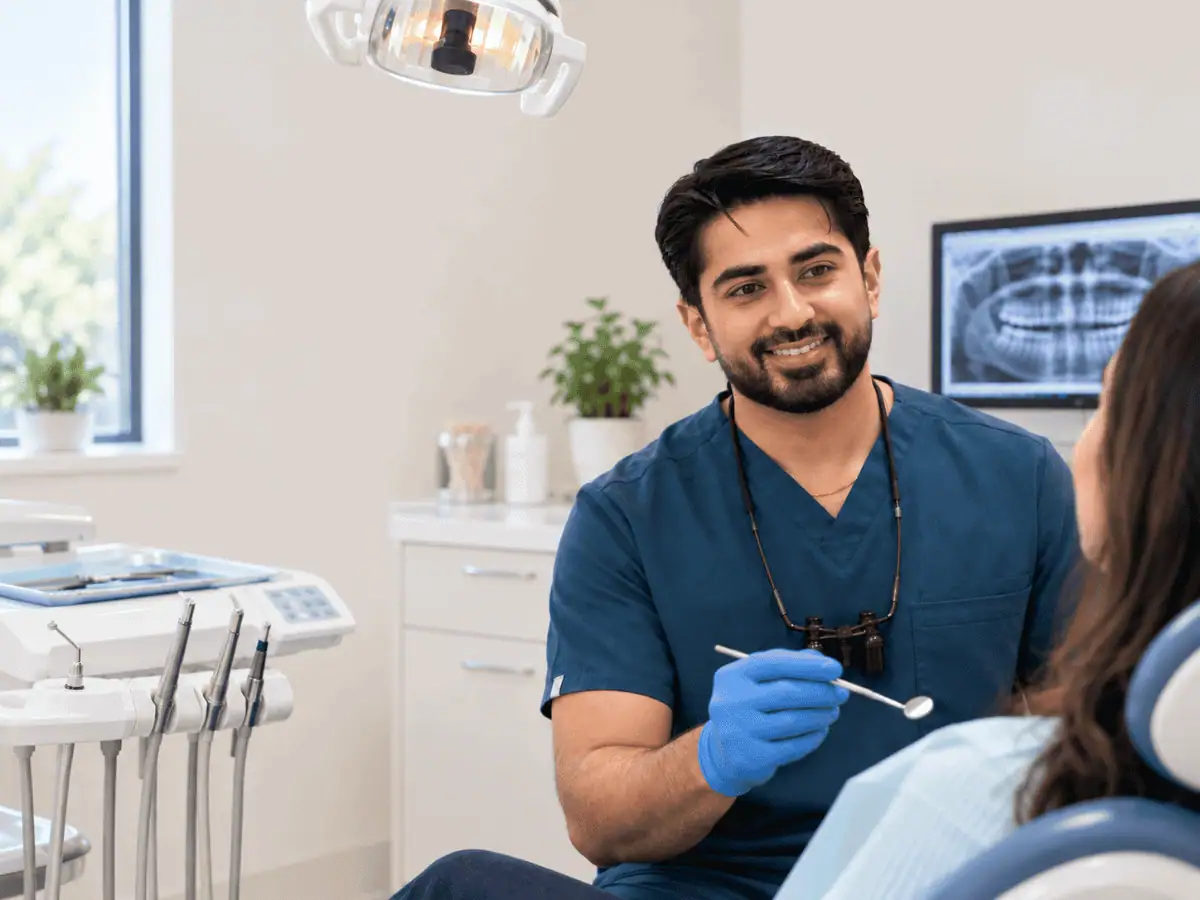
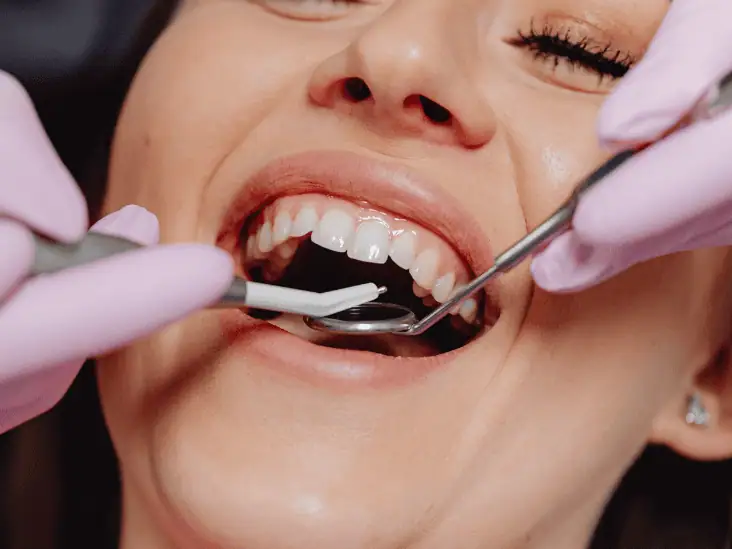
Dental cleaning is a professional procedure performed by a dentist or dental hygienist to remove plaque, hardened tartar, and surface stains from your teeth.
Unlike your daily brushing routine, professional cleaning reaches areas that are difficult to access at home. It also allows your dentist to monitor your oral health and spot problems before they become serious.
Many people think dental cleanings are only about making teeth look cleaner. In reality, they play a much bigger role.
Regular dental cleanings help:
- Prevent cavities
- Reduce the risk of gum disease
- Remove bacteria buildup
- Keep your breath fresh
- Protect your overall oral health
- Detect dental problems early
Think of it as routine maintenance for your mouth. Just as regular servicing keeps a car running smoothly, regular cleanings help keep your teeth and gums in good condition.
Who Needs Professional Dental Cleaning?
Professional dental cleaning is recommended for nearly everyone, regardless of age.
Different age groups may benefit for different reasons.
- Children – Kids are still mastering brushing techniques, so professional cleanings help catch plaque buildup and build lifelong healthy habits early.
- Teenagers – Sugary diets and hormonal changes raise cavity and gum sensitivity risks, making routine cleanings essential during this stage.
- Adults – Busy schedules often lead to inconsistent home care, so cleanings help prevent minor issues from becoming serious problems.
- Seniors – Aging brings gum recession, dry mouth, and enamel wear, so regular cleanings help protect remaining natural teeth.
- Orthodontic Patients – Braces and aligners trap food and plaque, making professional cleanings key to avoiding cavities in hard-to-reach spots.
- Patients With Dental Restorations – Crowns, implants, and fillings need extra care to keep both the restoration and surrounding teeth healthy.
What Happens During a Dental Cleaning?
Many people feel nervous before their first dental cleaning because they do not know what to expect.
The good news is that the procedure is straightforward and usually very comfortable.
-
1
Oral Examination
The appointment typically starts with a visual examination of your mouth.
The dentist or dental hygienist checks the condition of your teeth, gums, and other oral tissues before beginning the cleaning process.
-
2
Checking Teeth and Gums
Each tooth is examined carefully, and the gums are evaluated for signs of inflammation, swelling, or bleeding.
This helps determine whether a routine cleaning is appropriate or if additional treatment is necessary.
-
3
Looking for Signs of Cavities and Gum Disease
The dental professional looks for early signs of tooth decay, gum disease, enamel wear, or other potential concerns.
Identifying these issues early can help prevent more complicated treatments later.
-
4
Plaque and Tartar Removal (Scaling)
Scaling is often the most important part of the cleaning.
Special instruments are used to remove plaque and hardened tartar from the teeth and around the gumline.
If there is a significant amount of buildup, this step may take a little longer.
-
5
Professional Teeth Polishing
After scaling, the teeth are polished using a specialised paste and polishing tool.
This removes minor surface stains and leaves the teeth feeling smoother.
A smoother surface also makes it more difficult for plaque to stick to the teeth.
-
6
Flossing and Cleaning Between Teeth
The dental professional flosses between your teeth to remove any remaining debris.
This also helps identify areas that may require extra attention in your daily oral care routine.
-
7
Fluoride Treatment (When Recommended)
Fluoride treatment may be suggested for children or adults who have a higher risk of developing cavities.
The fluoride helps strengthen the enamel and provide additional protection.
-
8
Dental X-Rays or Additional Evaluations (If Needed)
Some appointments may include X-rays or further examinations.
These help identify hidden issues that cannot be seen during a regular visual inspection.
What are the Benefits of Professional Dental Cleaning?
Dental cleanings do much more than simply make your teeth look cleaner. Here’s a closer look at the benefits:
1. Helps Prevent Cavities
Plaque contains bacteria that produce acids capable of damaging tooth enamel. Removing plaque helps reduce the risk of tooth decay.
2. Reduces the Risk of Gum Disease
Gum disease often begins with plaque buildup around the gumline.
Regular cleanings help remove these bacteria before they cause serious inflammation.
3. Removes Surface Stains
Coffee, tea, tobacco products, and certain foods can leave stains on the teeth.
Professional cleaning can remove many of these surface stains and improve the appearance of your smile.
4. Improves Breath Freshness
Bacteria and trapped food particles are common causes of bad breath.
Cleaning removes these sources and helps improve breath freshness.
5. Supports Overall Health
Research continues to show a connection between oral health and overall health.
Maintaining healthy gums may contribute to better long-term wellness.
6. Helps Detect Dental Problems Early
Routine appointments allow dentists to identify problems while they are still small and easier to treat.
What are the Types of Dental Cleanings?
Not every patient requires the same type of cleaning. Your dentist will recommend a treatment based on your oral health. Here’s a closer look at some of the different types:
Prophylaxis Cleaning (Routine Cleaning)
This is the most common type of dental cleaning and the one most people receive during their regular dental checkups. It focuses on removing plaque, tartar, and minor surface stains before they lead to bigger problems.
This type of cleaning is recommended for patients who have healthy gums and no signs of active gum disease. If you visit the dentist every six months and maintain a good oral hygiene routine at home, this is usually the cleaning you’ll receive.
Gross Debridement Cleaning
This cleaning is recommended when there is heavy plaque and tartar buildup.
The goal is to remove excessive deposits before a detailed examination or additional treatment.
Scaling and Root Planing (Deep Cleaning)
Deep cleaning is performed for patients with gum disease.
It involves cleaning below the gumline and smoothing the root surfaces to help the gums heal and reattach.
Periodontal Maintenance Cleaning
Patients who have previously been treated for gum disease may need regular periodontal maintenance appointments to prevent recurrence.
How Long Does Dental Cleaning Take?
A standard dental cleaning typically takes 30 to 60 minutes, with routine cleanings around 30 to 45 minutes and an extra 15 minutes if exams or X-rays are included. Deep cleanings like scaling and root planing take longer, from one to two hours, and may require multiple visits.
| Cleaning Type | Typical Duration |
|---|---|
| Routine Cleaning | 30–60 Minutes |
| Gross Debridement | 45–90 Minutes |
| Deep Cleaning | 1–2 Hours |
| Periodontal Maintenance | 45–60 Minutes |
Factors affecting the appointment length:
These include:
- The amount of tartar buildup
- The condition of your gums
- Whether X-rays are required
- If additional treatments are needed
- Your overall oral health
Patients who visit the dentist regularly often have shorter appointments because there is less buildup to remove.
How Often Should You Get a Dental Cleaning?
Most dentists recommend getting a professional dental cleaning every six months.
This schedule works well for many people because it prevents excessive plaque and tartar buildup.
However, some patients may need more frequent visits.
This includes people with:
- Gum disease
- Diabetes
- A history of smoking
- Orthodontic treatment
- High cavity risk
Your dentist may recommend cleanings every three to four months depending on your individual needs.
How to Maintain Your Teeth After a Dental Cleaning?
A professional cleaning is only part of maintaining good oral health.
Your daily habits play an equally important role.
Do’s
- Drink plenty of water throughout the day.
- Brush your teeth twice daily.
- Floss regularly.
- Eat soft foods if your teeth feel sensitive.
- Use toothpaste for sensitive teeth if recommended.
- Follow your dentist’s instructions carefully.
Don’ts
- Avoid coffee, tea, red wine, and other dark-coloured beverages for a few hours.
- Avoid smoking and tobacco products.
- Avoid hard, sticky, or acidic foods if your mouth feels sensitive.
- Avoid alcohol immediately after fluoride treatment.
- Do not ignore ongoing pain, swelling, or bleeding.
Does Dental Cleaning Hurt?
For most people, dental cleaning is not painful.
You may feel some pressure, vibrations, or mild scraping sensations during the procedure.
If your gums are inflamed or if there is significant tartar buildup, you may experience temporary sensitivity.
Patients with gum disease may feel slightly more discomfort, especially during deep cleanings. In these cases, local anaesthesia may be used to keep the procedure comfortable.
Any mild sensitivity usually improves within a day or two.
Can Dental Cleaning Remove Stains and Whiten Teeth?
Yes and no.
Dental cleaning can remove many surface stains caused by coffee, tea, smoking, and certain foods.
As these stains disappear, your teeth may look brighter and cleaner.
However, dental cleaning does not actually change the natural colour of your teeth.
That is where teeth whitening comes in.
Dental Cleaning vs Teeth Whitening
| Dental Cleaning | Teeth Whitening |
|---|---|
| Focuses on oral health and prevention | Focuses on cosmetic improvement |
| Removes plaque, tartar, and surface stains | Lightens the natural shade of teeth |
| Helps prevent cavities and gum disease | Does not treat plaque or tartar |
| Recommended every six months | Performed when a brighter smile is desired |
| Supports long-term oral health | Improves tooth appearance |
Closing Thoughts
Professional dental cleaning is one of the easiest and most important steps you can take to protect your oral health. It does much more than simply make your teeth look clean. It helps prevent cavities, reduces the risk of gum disease, improves breath, and allows potential dental problems to be identified early. When combined with good daily habits at home, regular dental cleanings can help keep your smile healthy for years to come.
Looking for a trusted dentist for dental cleaning?
Coral Dental Care helps patients maintain healthy smiles with gentle, comprehensive dental care.
Frequently Asked Questions About Pain After Tooth Extraction
-
How Long After Dental Cleaning Can I Eat?
You can eat right after a regular cleaning. If you had fluoride treatment, wait 30 minutes so it can absorb into your enamel.
-
Can You Get Dental Cleaning While Pregnant?
Yes, dental cleanings are safe during pregnancy and actually recommended, since hormonal changes raise your risk of gum disease. The second trimester is usually the most comfortable time for the appointment.
-
Can You Get Dental Cleaning with Braces?
Yes. Cleanings are even more important with braces since food and plaque build up more easily around brackets and wires. Your hygienist will use special tools to clean around the hardware thoroughly.
-
How Long After Dental Cleaning Can I Drink Coffee?
Wait at least 30 minutes, and ideally an hour, especially if you had a polish or fluoride treatment. Your teeth are more porous right after cleaning, so coffee can stain them more easily during this window.
-
Does a Dental Cleaning Get Rid of Gingivitis?
A professional cleaning can reverse early-stage gingivitis by removing the plaque and tartar causing the inflammation. Combined with good brushing and flossing at home, your gums should heal within one to two weeks.
-
Should I Brush My Teeth Before a Dental Cleaning?
You don’t need to, but you can. Brushing beforehand doesn’t change what your hygienist needs to do, so come in with your teeth as they normally are.