

What Does Invisalign Pain Feel Like and How Long Does It Last?
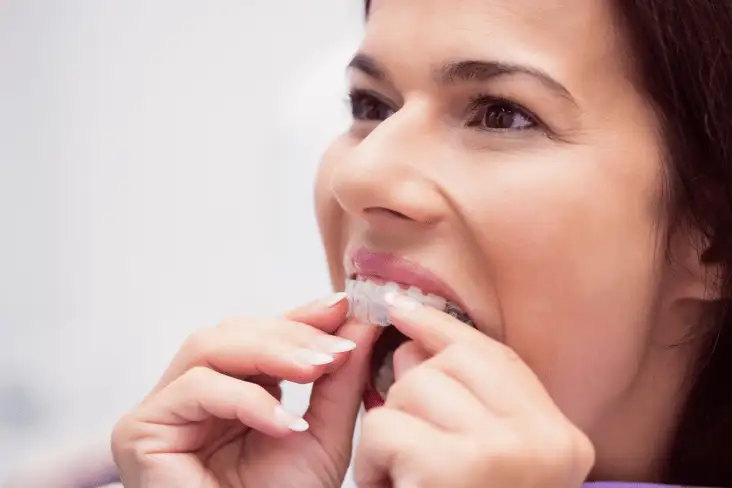
Invisalign can cause mild, temporary discomfort, especially when you start treatment or switch to a new set of aligners. Most people experience pressure, tightness, or tooth tenderness rather than sharp pain. The discomfort is usually strongest during the first 1–3 days and gradually improves as your teeth and mouth adjust to the new aligners.
If you are considering Invisalign treatment, you may wonder what it feels like to wear clear aligners and whether the treatment will be uncomfortable. While Invisalign is generally considered a comfortable way to straighten teeth, some pressure, tenderness, or mild irritation is common as your teeth gradually move into their planned positions.
Discomfort is usually most noticeable when you begin treatment or switch to a new set of aligners. The good news is that it is typically temporary and can often be managed with simple measures at home.
In this guide, we’ll explain what causes Invisalign discomfort, how long it typically lasts, when pain may require professional attention, and what you can do to make your treatment more comfortable.
How Long Will Invisalign Hurt?
Invisalign pain typically lasts for 1 to 3 days after switching to a new aligner, as this is when the pressure is most noticeable.
- First 0 to 24 Hours – Initial Pressure
Right after inserting a new aligner, you may feel tightness or pressure. This is normal and indicates that your teeth have begun responding to the aligner’s gentle force. - 24 to 48 Hours – Peak Tenderness
Most patients experience the highest level of mild discomfort during this window. You might notice slight aches or sensitivity, especially when biting down or removing the aligners. - 48 to 72 Hours – Noticeable Relief Begins
The tight sensation starts to ease significantly. Your teeth begin adapting to the new tray, and daily activities like talking, eating, and wearing the aligners feel more comfortable. - After 72 Hours – Minimal to No Discomfort
For most people, the soreness has nearly disappeared. Any remaining minor shifting sensations are usually very tolerable and short-lived.
Why does Invisalign hurt?
- Gentle Pressure on Teeth:Every aligner tray is slightly different from the previous one. To move your teeth, Invisalign must apply force, and this pressure triggers small changes in the bone around your teeth. This process can cause mild tenderness.
- Biological Response to Tooth Movement:
When your teeth shift, the periodontal ligaments stretch and compress. This natural biological reaction is what creates the feeling of soreness or pressure. - New Trays Create Fresh Pressure PointsYou switch to a new aligner every one or two weeks. Each new tray begins another stage of movement, which can cause temporary sensitivity for the first one to three days.
- Attachments May Add Extra PressureSome patients have small tooth-colored attachments bonded to certain teeth. These help guide movement more precisely and may make the first day or two with a new tray feel tighter.
- Soft Tissues Adjusting to the AlignerYour gums, cheeks, and tongue may need time to adjust to the edges and shape of the aligners. This can create very mild irritation in the beginning.
When is Pain From Invisalign a Concern?
While some irritation is natural, you should know when to contact your orthodontist. If you are experiencing severe aches that interfere with your regular activities and do not reduce after 72 hours, you should contact your dental professional. There is a risk that the aligners were not properly fitted or that there was some underlying issue.
Furthermore, any bleeding or considerable swelling is abnormal and should be investigated. It’s usually preferable to address such issues proactively rather than waiting and hoping for the best!
How to Ease Invisalign Pain?
You don’t have to face the discomfort quietly. There are numerous coping tactics available to help you reduce pain from Invisalign. Let’s check out some practical solutions.
-
Eat Soft Foods
During your first few days with new aligners, keep to softer meals that will not irritate your teeth or gums. Yogurt, mashed potatoes, and smoothies are wonderful options that provide comfort without causing conflict.
-
Switch to Your New Aligners Before Bedtime
Timing can be your ally. Wearing your new aligners shortly before bedtime allows the initial pressure and pain to subside as you sleep. You may wake up with some irritation, but it reduces by the time you begin your day!
-
Apply Dental Wax
Sometimes, Invisalign hurts due to the edges of your aligners rubbing against your gums or cheeks. If this happens, consider using dental wax. Applying a tiny amount to the aligner’s edges can form a barrier between the plastic and your tissues, providing instant relaxation.
-
Don’t Remove Your Aligners Frequently
Every time you remove your aligners, you risk causing additional discomfort when you put them back in. Try to keep them on unless you are eating, drinking, or brushing your teeth.
-
Make Friends With Cold Compress
A cool compress on your cheeks can help stop Invisalign pain and reduce swelling. Just remember not to use straight ice and always keep a cloth between your skin and the chilly source.
Strategies for Becoming Accustomed to Invisalign Quickly
Transitioning to a new orthodontic routine might take time. But there are techniques to speed up the process. Let’s get to know them:-
-
Wear New Aligners at Night
As previously said, trying new aligners at night enables you to sleep through the early Invisalign discomfort, making the adjustment process easier.
-
Put on Invisalign Consistently
Make sure you wear your aligners for the prescribed 20 to 22 hours each day. Consistency helps put the correct pressure on your teeth to reposition them in the proper place. It allows your teeth to shift more predictably and makes the adjustment process easier.
-
Drink Lots of Water
Drinking water not only helps to wash out food particles. But it also keeps your mouth moist and relieves the tight sensation given by aligners. Staying hydrated is essential for maintaining your comfort.
- Rinse With Warm Saltwater
Rinsing with warm salt water is a simple method for relieving Invisalign pain. It not only reduces inflammation but also creates a sterile environment that promotes recovery.
Taking on the trip with Invisalign might be intimidating. Still, knowing what to anticipate and how to handle discomfort can make the process much easier. Remember that the soreness usually lasts only a few days and can be efficiently treated with easy techniques.
Are you looking for a trusted dentist in Salem, MA?
We prioritize your comfort and provide complete dental care for a healthy, happy smile! Get straighter teeth without the hassle.
FAQs
-
Does Invisalign hurt more than braces?
The simple answer is no! While Invisalign can cause some irritation, it is typically less uncomfortable than braces. The discomfort is milder and lasts shorter.
-
What stage of Invisalign causes the most discomfort?
The majority of patients say that discomfort peaks at the start of treatment. It is the process by which your mouth adjusts to the aligner.
-
Can I eat with Invisalign?
You can remove your aligners during meals, allowing you to eat and drink everything you want (except for anything other than water while wearing them!).
-
Does Invisalign work faster than braces?
Yes! Invisalign treatment takes about 12 months on average. On the other hand, traditional braces take 18 to 24 months.
-
Does Invisalign cause pain each time when you try a new tray?
You may experience some soreness after transitioning to a new tray, but this should diminish within a few days. It is also usual to have occasional tooth sensitivity throughout treatment.
-
Does Invisalign make your teeth sensitive?
Yes, it is normal for Invisalign to cause temporary tooth sensitivity due to pressure from tooth movement and new aligners.