
Quick Answer
Full mouth debridement is a dental cleaning procedure performed when excessive plaque and tartar buildup prevent a dentist from properly examining the teeth and gums. It removes heavy deposits from above and below the gumline, allowing an accurate oral health assessment and helping prepare the mouth for further treatment if needed.
- Duration: 45–90 minutes
- Purpose: Remove heavy plaque and tartar buildup
- Pain Level: Mild discomfort; local anesthesia may be used
- Who Needs It: Patients with significant plaque accumulation or delayed dental cleanings
Mouth debridement is one of the best ways to achieve dental wellness. This non surgical dental procedure involves providing the entire mouth a thorough cleaning in order to get rid of plaque, tartar, and dangerous bacteria that can cause major problems with oral health. Patients can avoid more serious disorders like gum disease, tooth decay, and even systemic health issues that can result from poor oral hygiene by taking care of these issues at an early stage. In addition to improving the appearance of your smile, mouth debridement creates a healthier mouth and makes it simpler to keep up proper dental hygiene.
The first step to a better, healthier future is realising the significance of mouth debridement, regardless of whether you’re in need of a routine cleaning or have specific worries about your dental health. Setting this therapy as a top priority is a proactive step that everyone should take to get the best possible oral wellbeing.
What Is Full Mouth Dental Debridement?
A full mouth dental debridement is a dental procedure in which every part of the mouth is thoroughly cleaned. In contrast to standard dental cleanings, which concentrate on removing superficial deposits of plaque and tartar, whole mouth debridement removes deeper deposits that have built up over time. People with considerable plaque accumulation and no dental care on a regular basis will benefit most from this procedure. Usually, the procedure begins with a comprehensive examination of the oral cavity. Next, using specialised dental instruments, dense plaque and tartar are removed. Hardened deposits can also be broken up and removed using ultrasonic tools. Before further dental procedures, including periodontal therapy or even routine cleanings, can be successfully performed, full mouth dental debridement is an essential initial step.
How Is A Dental Debridement Performed?
By carefully removing a large amount of plaque and tartar buildup, dental debridement is intended to restore oral health. Here’s how the treatment is performed.
-
Inspection
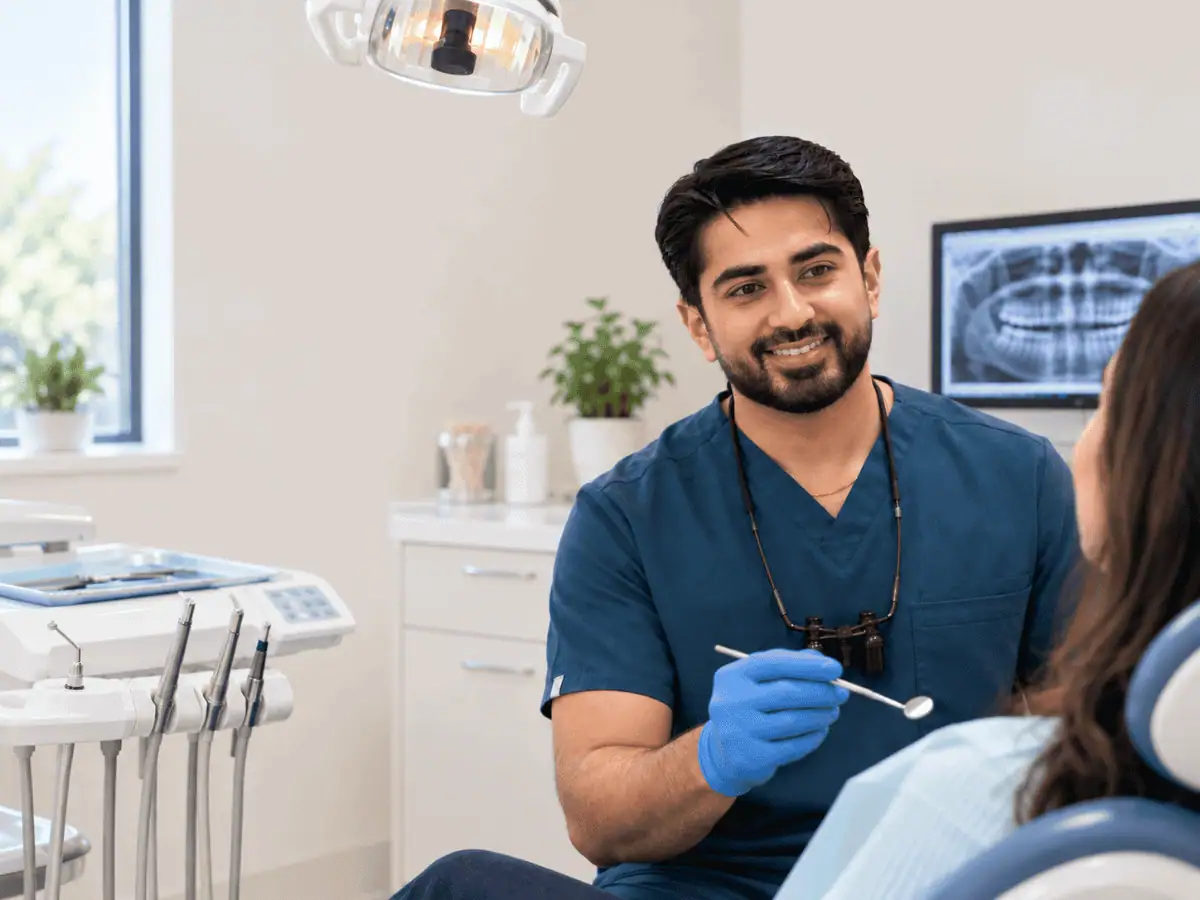
An extensive inspection of the oral cavity is the first step in the procedure. In addition to evaluating the amount of plaque and tartar buildup, your dentist will look for any indications of gum disease or other oral problems.
-
Anesthesia
The local anesthetic will numb the area.. This guarantees the least amount of pain during the process.
-
Cleaning
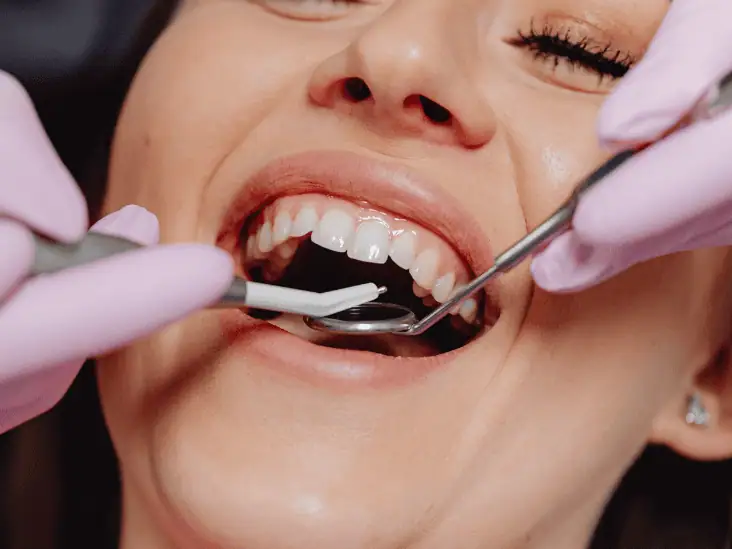
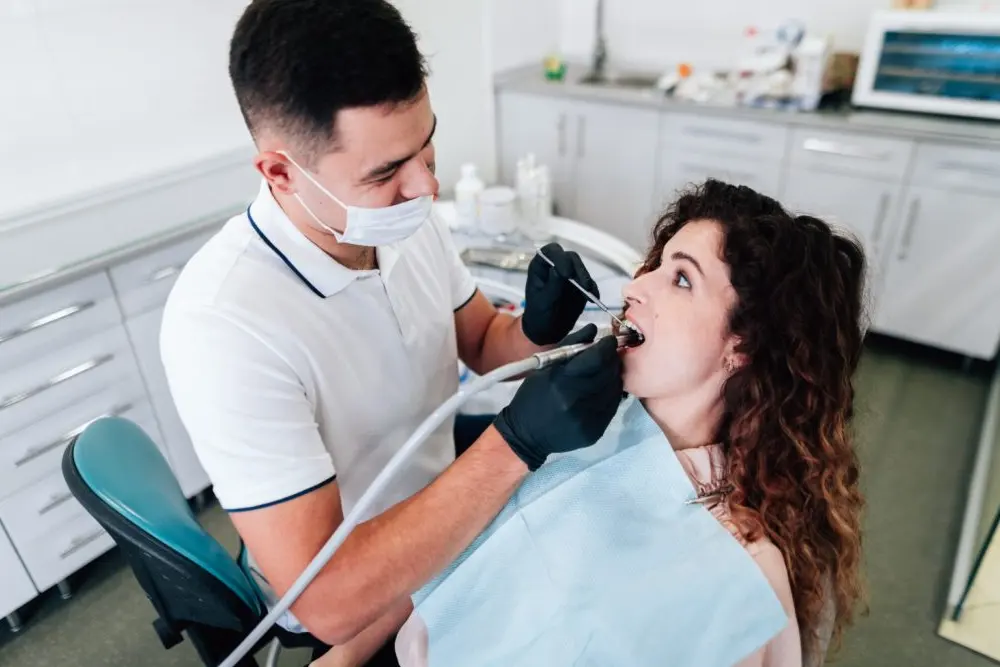
The dentist will carefully remove the tartar layers and dense plaque using specialised tooth equipment. Hardened deposits can also be broken up and removed with ultrasonic instruments, which can reach places that are challenging to clean with conventional techniques.
-
Polishing
Plaque and tartar are removed from the teeth, and then the surfaces are polished. This keeps plaque from accumulating in the future and makes the teeth look cleaner.
-
Recovery and Precaution
Post-procedure, patients may experience mild discomfort or sensitivity. Your dentist will provide specific instructions, including guidelines on brushing, flossing, and possibly using a special mouthwash to for the best recovery and maintaining the oral hygiene.
Signs You May Need Full Mouth Debridement
You may be a candidate for full mouth debridement if you have:
- Heavy tartar buildup on your teeth
- Bleeding gums
- Persistent bad breath
- Gum inflammation or swelling
- Difficulty seeing tooth surfaces due to plaque accumulation
- Several years without a professional dental cleaning
A dentist may recommend full mouth debridement when plaque and tartar deposits make it difficult to accurately evaluate your oral health.
What Are The Advantages Of Dental Debridement
Dental debridement offers numerous advantages that contribute to both oral and overall health. This procedure is essential for anyone looking to maintain a healthy and radiant smile.
-
Improved Oral Health
Dental debridement makes your teeth and gums healthier by reducing the risk of gum disease and tooth decay by the removal of plaque and tartar buildup. By thoroughly cleaning teeth, major problems with oral health can be avoided before they arise.
-
Prevention Of Tooth Loss
Adult tooth loss is mostly caused by gum disease, which is a result of plaque and tartar buildup. Dental debridement prolongs the life of your teeth by removing these deposits at an early stage.
-
Fresher Breath
Your breath will smell better and your mouth will feel cleaner when the bacteria-filled plaque and tartar are removed.
-
Enhanced Confidence
Having a healthier, cleaner mouth makes you feel better about yourself and more confident, which makes it easier to smile and socialise without worrying about dental problems.
Full Mouth Debridement vs Scaling and Root Planing
| Feature | Full Mouth Debridement | Scaling and Root Planing |
|---|---|---|
| Purpose | Remove heavy plaque and tartar buildup | Treat periodontal disease |
| Depth | Initial cleaning | Deep cleaning below the gumline |
| Focus | Improve visibility for dental examination | Remove bacteria and toxins from root surfaces |
| Timing | Often the first step before diagnosis and treatment | Usually performed after a diagnosis of gum disease |
| Goal | Enable an accurate assessment of oral health | Control gum disease progression and improve gum health |
What To Do After Debridement?
It’s essential to adhere to your dentist’s aftercare guidelines following a dental debridement in order to promote healthy healing and oral hygiene. A few hours after consuming anything hot, refrain from eating or drinking anything crunchy or hard that can hurt your gums. Make use of a toothbrush with soft bristles and light brushing motions. A particular mouthwash may be suggested by your dentist to assist lower germs and encourage healing. Maintaining the healthiest possible mouth will also require routine flossing and follow-up dental appointments. Get in touch with your dentist right away if you have strange symptoms or chronic pain.
How Long Does It Take To Recover From Full Mouth Debridement?
Most patients can resume normal activities immediately after treatment. Recovery typically follows this timeline:
First 24 Hours
- Mild sensitivity
- Minor gum tenderness
2–3 Days
- Reduced inflammation
- Improved comfort
Within One Week
- Gums begin returning to a healthier state
Tips To Prevent Dental Debridement
Maintaining good oral hygiene can help prevent excessive plaque and tartar buildup that may require full mouth debridement. Follow these tips to keep your teeth and gums healthy:
- Brush your teeth at least twice a day using fluoride toothpaste.
- Consider using an electric toothbrush, as it may remove more plaque than a manual toothbrush.
- Floss daily to remove food particles and plaque from between the teeth and along the gumline.
- Limit sugary foods and beverages that contribute to plaque buildup and tooth decay.
- Avoid smoking and other nicotine products, which can increase the risk of gum disease.
- Schedule regular dental checkups and professional cleanings to prevent tartar accumulation.
Are There Any Risks Associated With Full Mouth Debridement?
Full mouth debridement is generally safe. Temporary side effects may include:
- Mild gum soreness
- Tooth sensitivity
- Slight bleeding
- Gum tenderness
These symptoms typically resolve within a few days.
Conclusion
Mouth debridement is a critical first step in maintaining dental health over the long run. This extensive process lays the groundwork for future treatments that will be even more successful in addition to guaranteeing a healthier, cleaner mouth. Mouth debridement not only promotes fresher breath and increased confidence but also lowers the risk of major oral health conditions including gum disease and tooth decay by removing extensive plaque and tartar buildup. Making this treatment a priority can enhance general wellbeing and avert future, more intrusive operations. Maintaining the advantages of a mouth debridement requires routine dental examinations as well as appropriate oral hygiene habits.
Frequently Asked Questions
-
Is Full Mouth Debridement Painful?
You might feel slight discomfort after a full mouth debridement. To make the process as painless as possible, anaesthesia is used to numb the particular area. After the procedure, you may experience tingling sensitivity or discomfort, but these symptoms normally go away in a few days.
-
What Is The Difference Between Full Mouth Debridement And Regular Teeth Cleaning?
Regular cleaning prioritizes removing surface level plaque and tartar. While the full mouth debridement will steep deeper in removing the deposits that are difficult to get rid due to its hardened surface.
-
How Often Should I Undergo Full Mouth Debridement?
If you have not had regular cleanings and removal of plaque and tartar buildup then going for full mouth debridement is advisable. We highly suggest you consult your dentist before opting for any procedure.
-
Can I Brush My Teeth After Full Mouth Debridement?
Yes, you can brush your teeth after full mouth debridement. It is essential to maintain good oral hygiene to prevent further plaque buildup. Use a soft-bristled toothbrush and gentle brushing techniques as recommended by your dentist.
-
Can Full Mouth Debridement Be Performed On Children?
Yes, children can have whole mouth debridement, particularly if they have significant plaque and tartar accumulation. It is less frequent, though, as kids usually get regular dental cleanings.
-
What Are The Risks Associated With Full Mouth Debridement?
Although whole mouth debridement is usually safe, there are a few risks: slight bleeding, sensitivity, and gum irritation. Usually transient, these side effects are manageable with the right aftercare. To reduce any possible hazards, always follow your dentist’s post-procedure advice.