

Quick Answer
Dry socket happens when the blood clot at an extraction site dislodges or dissolves too early, exposing bone and nerves and causing sharp pain within a few days of surgery. It’s typically caused by smoking, straw use, or vigorous rinsing, and is treated with a medicated dressing plus pain relief from your dentist. Prevention comes down to avoiding suction and irritation at the site for the first few days and following your dentist’s aftercare instructions closely.
What is a Dry Socket?
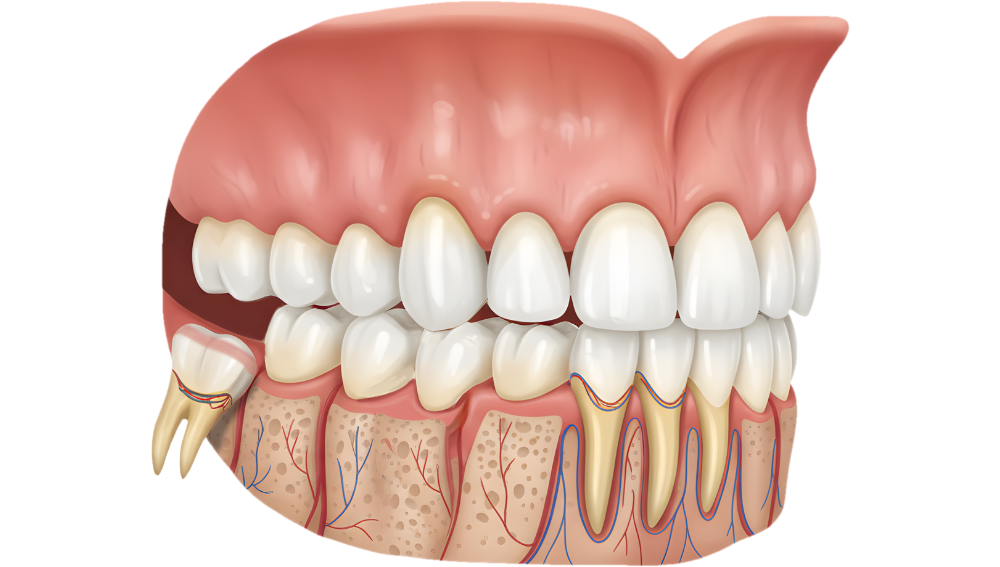
A dry socket, also called alveolar osteitis, is a painful complication that can develop after a tooth is removed. Normally, a blood clot forms in the empty socket and protects the bone and nerves underneath while it heals. With dry socket, that clot fails to form or gets dislodged too soon, leaving the bone and nerves exposed to air, food, and bacteria.
This exposure slows healing and causes intense, throbbing pain that usually sets in one to three days after the extraction, often radiating to the ear, eye, or jaw. It’s more common after wisdom tooth removal, so it’s worth knowing the signs and seeing your dentist promptly if they show up.
What Causes Dry Socket?
Dry socket happens when the blood clot at the extraction site gets dislodged or breaks down before the area has fully healed, leaving the underlying bone and nerves exposed. Common causes include:
- Dislodging the clot:Actions that create suction, like smoking, vaping, or drinking through a straw, can physically pull the clot out of the socket. Aggressive rinsing or spitting soon after surgery can have the same effect
- Chemical disruption:Chemicals in tobacco restrict blood supply to the area and slow down the initial healing process
- Bacterial breakdown:Pre-existing gum disease, a tooth infection, or poor oral hygiene can let bacteria break down or dissolve the blood clot
- Surgical trauma:Difficult or traumatic extractions, such as a complicated wisdom tooth removal, can reduce blood flow or damage the bone, raising the risk
- Hormonal factors:Elevated estrogen levels, including from oral contraceptives, can interfere with normal blood clotting and healing
What are the Symptoms of Dry Socket?
- Throbbing but steady pain at the extraction site which is experienced after a few days of the tooth removal surgery.
- Missing blood clot at the site of extraction.
- Bone visible at the extraction site.
- Tooth/gum infection
- Swelling around the socket
- Pain radiating to other parts such as ears, eyes on the same side of the face.
- Bad taste in mouth or a bad breath.
Dry socket vs. blood clot
| Dry Socket | Normal Healing | |
|---|---|---|
| Appearance | Empty-looking socket with visible bone | Dark red or maroon clot filling the socket |
| Pain Pattern | Throbbing pain that worsens 2-4 days after extraction | Mild discomfort that steadily improves each day |
| Timing | Pain increases instead of easing off | Soreness peaks early, then fades within days |
| Other Symptoms | Bad breath, bad taste, pain radiating to ear or jaw | Minimal odor or radiating pain |
| Healing Progress | Delayed healing, needs professional treatment | Normal healing, resolves on its own |
Who is at the Risk of Dry Socket?
- Smokers and tobacco users
- People on hormonal birth control
- Those with poor oral hygiene
- Patients with a difficult or traumatic extraction
- Anyone with a past history of dry socket
- Patients who don’t follow post-op instructions
- Those getting a lower jaw or wisdom tooth extraction
- Teeth or gum infection in or around the extraction site.
How is Dry Socket Diagnosed?
Your dentist diagnoses dry socket by examining the extraction site and asking about your symptoms. They’ll look for a missing blood clot, exposed bone, or greyish tissue in the socket, which are the telltale signs of dry socket. They’ll also ask when your pain started and how severe it is, since dry socket pain typically develops within one to three days of the extraction and gets worse rather than better.
In most cases, a simple visual exam is enough to confirm the diagnosis. If your dentist wants to rule out other issues, like a bone infection or a leftover tooth fragment, they may take an X-ray of the area. Diagnosis is usually quick, and your dentist can often start treatment during the same visit.
How is Dry Socket Treated?
Dry socket treatment may include:
- Irrigation: Your dentist gently flushes the socket with salt water or an antibacterial rinse to clear out food particles and debris
- Medicated dressings: Numbing medications like lidocaine or eugenol are placed in the empty socket, providing fast pain relief and covering the exposed bone
- Antibiotics: Prescribed if your dentist suspects an infection
- Pain medicine: Over-the-counter options like acetaminophen or ibuprofen help manage discomfort between visits
How to Prevent Dry Socket After Tooth Extraction?
Immediately After Extraction (First 24 Hours)
- Rest: Take it easy for the day. Avoid exercise, heavy lifting, or bending, and keep your head elevated to reduce swelling and help the clot form.
- Do Not Use Straws: Suction can pull the blood clot out, so drink directly from a cup instead.
- Avoid Smoking and Tobacco: Smoking dislodges the clot and slows healing. Avoid it for at least three days, longer if possible.
- Eat Soft Foods Only: Stick to yogurt, mashed potatoes, applesauce, and soup. Chew slowly on the opposite side.
- Avoid Hot, Fizzy, and Alcoholic Drinks: These can dissolve the clot or irritate the socket. Stick to plain water at room temperature.
- Use Gauze as Told: Bite gently on the gauze for the recommended time to help the clot form.
After 24 Hours and Beyond
- Rinse Gently: Once your dentist allows it, use a warm saltwater rinse and let the water flow out naturally, no forceful swishing.
- Do Not Touch the Area: Keep your tongue, fingers, and objects away from the socket to avoid disturbing the clot.
- Brush Carefully: Keep brushing your other teeth, but avoid the extraction site until your dentist says it’s safe.
- Chew on the Other Side: Reduces pressure on the healing socket and keeps food from getting stuck.
- Take Medicines as Prescribed: Follow your dentist’s instructions fully, don’t skip doses or stop early.
- Know Your Risk: Smokers, birth control users, and those with a past dry socket are at higher risk, so let your dentist know your history.
Get Dry Socket Treatment at Coral Dental Care in Salem, MA
If you’re dealing with worsening pain after a tooth extraction, don’t wait it out. At Coral Dental Care in Salem, MA, our team provides prompt, gentle treatment to relieve dry socket pain and get your healing back on track. We’ll clean the socket, apply a medicated dressing for fast relief, and walk you through exactly how to care for the area at home so it heals smoothly.
We also help you avoid dry sockets in the first place. Our team gives clear, personalized aftercare instructions following every extraction, and if you’re at higher risk, we offer extra guidance and follow-up care to keep your recovery on track.
FAQs:
-
Can a dry socket heal by itself?
Technically yes, but it takes much longer and is far more painful without treatment. Seeing your dentist for proper care speeds up healing and relieves pain quickly.
-
Does salt water heal a dry socket?
Yes, a warm salt water rinse is highly beneficial for managing a dry socket. It helps soothe pain, reduces bacteria and swelling, and prevents infections by flushing out food particles and debris.
-
Can I stop worrying about a dry socket after 7 days?
Yes, you can generally stop worrying about a dry socket after 7 days. Dry sockets typically occur within 2 to 5 days of a tooth extraction when a blood clot fails to form or is dislodged. After a week, the risk decreases significantly as the tissue heals.
-
Is dry socket an emergency?
It’s not a medical emergency, but it needs prompt dental care. Contact your dentist as soon as symptoms appear to manage pain and start healing.
-
How long does a dry socket last?
With treatment, dry socket typically heals within seven to ten days.
-
What happens if the dry socket is left untreated?
Pain worsens, healing slows down significantly, and the exposed bone stays vulnerable to infection and further complications.