
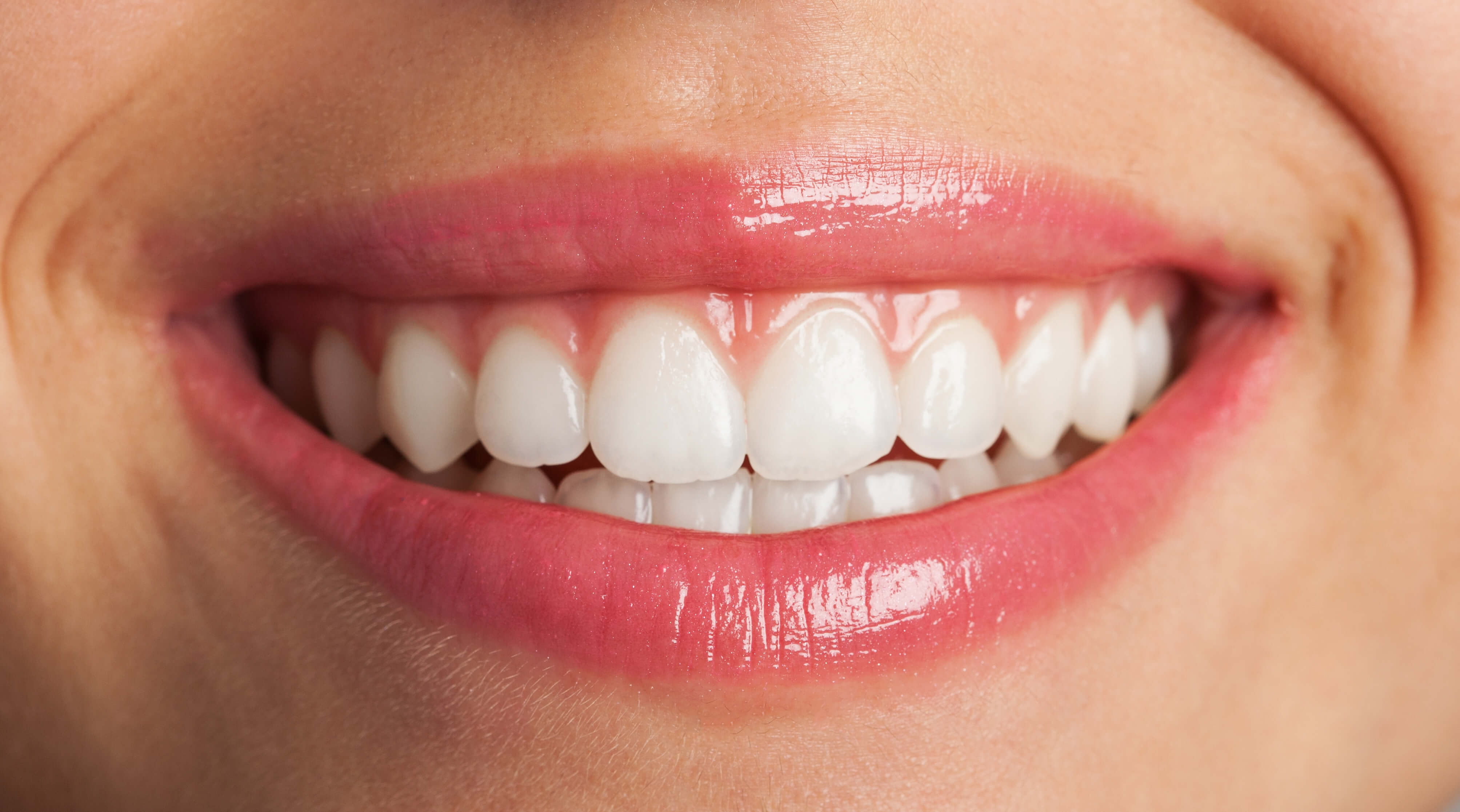
There are a lot of teeth whitening tips out there. If you ask around, you are likely to get dozens of them. Some may sound legitimate while others may sound downright silly. So, do yourself a favor – don’t ask around. Do your own research and only go through credible medical websites. You’ll find a wealth of helpful teeth whitening tips that will help you achieve a beautiful, white smile.
10 Teeth Whitening Myths
We’ll do our bit in helping you debunk a few teeth whitening myths, so you don’t fall victim to them!
-
Teeth Whitening procedure whitens your veneers, crowns, and fillings
Crowns, veneers, and fillings are inorganic materials. They do not respond to teeth whitening treatment the way your real teeth do. So, if you get a teeth whitening procedure done, expect unevenly-colored teeth afterwards. If you plan to have veneers and crowns, it’s always better to carry out teeth whitening firsts.
-
Avoid teeth whitening if you have sensitive teeth
Having sensitive teeth doesn’t stop you from getting your teeth whitened. Talk about your sensitivity issue with your dentist. Your dentist may use rubber gum guards or desensitizing gel during the treatment for your comfort. The dentist may also recommend a formulated toothpaste to use before the treatment.
-
Oil pulling works in removing teeth stains
Oil pulling supposedly removes tooth discoloration. Many people practice oil pulling and claim that it helps. But there is no scientific evidence that proves that oil pulling is effective in teeth whitening.
-
Teeth whitening harms your tooth enamel
Dentists use a safe, effective, high-strength whitening gel. Many believe that whitening involves taking out the outer layer of the tooth. This is not true. In fact, teeth whitening opens the pores of the outer layer to allow the cleaning agent to penetrate the pores and clear the teeth stains.
-
Over-the-counter teeth whitening is as good as professional teeth whitening.
Over-the-counter teeth whitening may work, but the results cannot be compared to professional teeth whitening. If you’re looking for the temporary removal of teeth stains, your over-the-counter kits may do the job. A professional teeth whitening procedure uses products that penetrate your teeth’s deep layers and clear the staining that makes your teeth look darker.
-
Once teeth are whitened, it stays white forever
Teeth whitening results are not permanent. It may last for up to 3 years. Teeth stains from coffee, tea, and smoking are going to affect the whiteness of the teeth.
-
Whitened teeth look unnatural.
Many people believe that whitening makes teeth look overly bright or “too white,” but that’s not the case when it’s done correctly. Professional whitening treatments are designed to enhance your natural tooth shade, not make your smile look artificial. Dentists customize the whitening level based on your enamel, facial features, and desired results. When properly supervised, whitening simply restores your teeth to a cleaner, healthier version of their natural color, never a fake, glowing-white look.
-
Acidic fruits whiten teeth
Many people think rubbing acidic fruits like lemons or strawberries can naturally whiten teeth, but this is a harmful misconception. The acids in these fruits erode enamel, making teeth weaker, more sensitive, and even more prone to staining over time. Instead of whitening, this DIY method can cause long-term damage. Always choose safe, dentist-approved whitening options for real results.
-
Teeth can be whitened by using whitening toothpaste and whitening gum
Whitening toothpaste and gums can help remove minor surface stains, but they cannot change the actual color of your teeth. They don’t have the bleaching agents needed for true whitening. These products offer mild polishing effects, but professional treatments or dentist-approved whitening kits are required to achieve noticeable, long-lasting results.
-
It removes ALL the stains and discoloration
Teeth whitening is effective, but it doesn’t remove every type of stain. Deep intrinsic stains caused by trauma, medications, or genetics often don’t respond fully to whitening treatments. Whitening can significantly brighten your smile, but expecting a 100% stain-free result is unrealistic.
