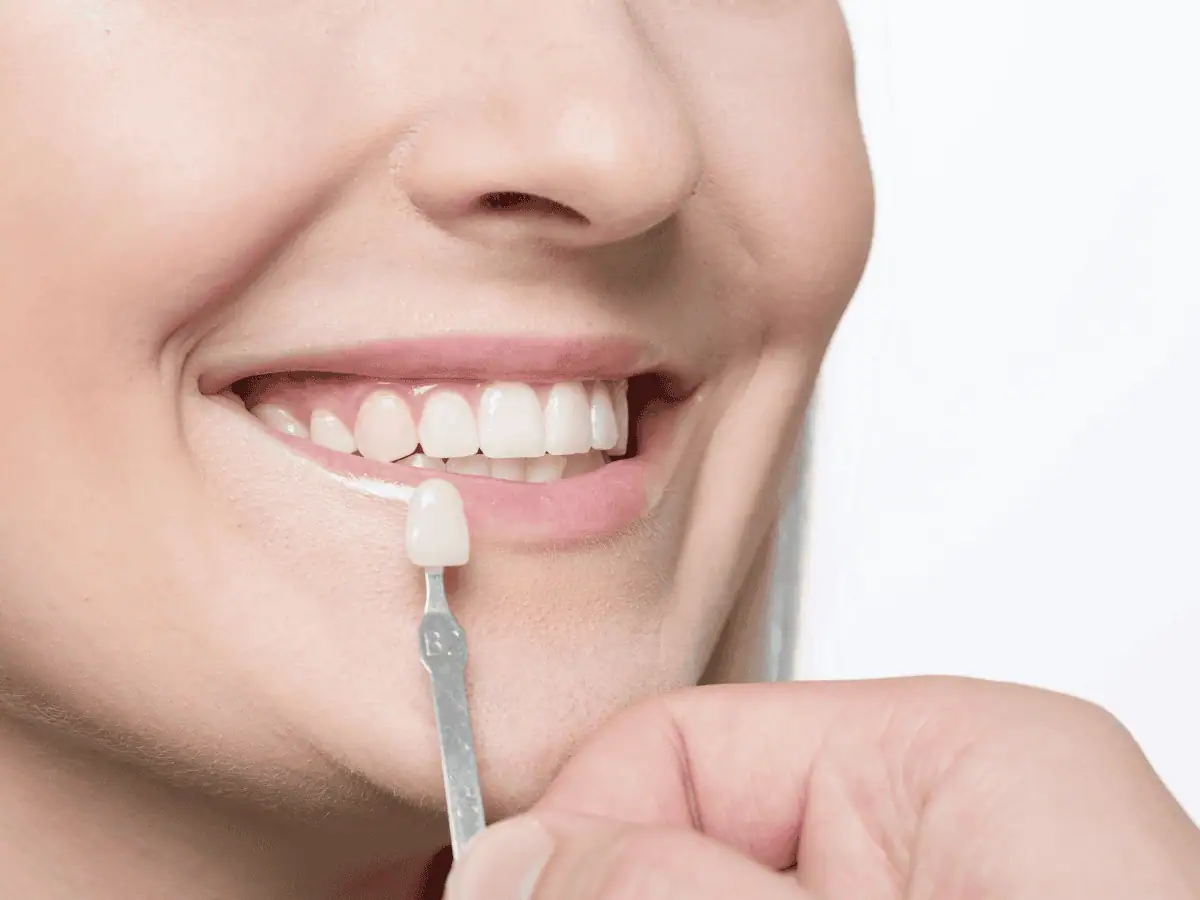
Types of Dental Filling

Tooth filling or dental filling is a proven way to treat, repair, and restore a decayed tooth. Various types of dental filling material are available for filling your teeth.

At Coral Dental Care in Salem, MA, you can make an informed choice about which type of dental filling is right in your case of the cavity.

What is a Dental Filling?

Your teeth can be worn down with cavities because of multiple dental issues such as tooth decay, teeth cracks, and broken teeth. A tooth filling is a solution to all these issues. The dentist takes out the decayed portion of your tooth and fills that place with the tooth filling. Voila! You are good to go with your healthy smile again.

In this article, you will get a deep dive into different types of dental filling, their advantages & disadvantages, how tooth filling is done, and much more.

Related ReadTooth Decay- A Comprehensive Guide

What Are the Different Types of Dental Filling?

There are different types of dental filling available. Following are the details of various types of filling along with their advantages and disadvantages. However, the right kind of cavity filing for you depends upon the criticality of your cavity.

1. Composite Fillings

It is one of the most used dental fillings. A composite filling is made of different resins.

Advantages:

  • It can be used to repair tooth structure apart from cavity filling.
  • Matches with the color of teeth.
  • Bonds well with teeth.

Disadvantages:

  • Last only for 5 years while some other types of material can last for 10-15 years.
  • It is expensive.
  • More visits to the dentist might be required to set it.

2. Silver Amalgam Fillings

As the name suggests, this tooth filling is the amalgamation of silver with mercury, zinc, tin, and copper. It is pretty popular for being long-lasting and less expensive.

Advantages:

  • It lasts for 10-15 years.
  • It has the strength to bear chewing forces.
  • It is easily affordable.

Disadvantages:

  • It doesn’t match with the natural color of the teeth and gets highlighted.
  • Healthy parts of the teeth also need to be removed to make space for silver amalgamation filling.
  • It can easily get cracked or fractured.
  • It creates a greyish hue in the surrounding tooth after some time.
  • It’s not suitable for people who are allergic to mercury.

3. Glass Ionomer Fillings

It is excellent for kids as glass ionomer fillings release fluoride into their newly forming teeth. It is made of a mix of glass and plastic.

Advantages:

  • It releases fluoride.
  • It can be used for cavity filling below the gum line.

Disadvantages:

  • It is weaker in comparison to composite filling but costs almost the same.
  • Less durable; prone to breakage and fracture.

4. Ceramic Fillings

It is made of porcelain material. The ceramic filling is mainly preferred among different fillings for teeth because it is durable and tooth-colored.

Advantages:

  • Generally lasts for more than 15 years.
  • It is stain-resistant.
  • Cosmetically appealing because it matches perfectly with tooth color.

Disadvantages:

  • It is very expensive, costs as much as gold.

5. Gold Fillings

It is made of gold, so it’s costly. That makes it the least used type of filling.

Advantages:

  • It is durable for at least 15 years.
  • Aesthetically pleasing to some people.

Disadvantage:

  • It costs you a bomb.
  • It might require multiple visits to place it.

What Are Indirect Fillings?

Indirect fillings are used when the damage in tooth structure is not suitable to either get a crown or a dental filling. Indirect fillings are made in the laboratory, and they require at least 2 visits before being placed. The cavity is removed, and the impression of your teeth is taken during the first visit. This impression is used to create the indirect filling for you in the lab. During your second visit, the indirect filling is restored on your tooth.

There are 2 types of indirect fillings:

  1. Inlays – They work within the cusps on the chewing surface of the tooth.
  2. Onlays – They cover more than one cusp. They are also called partial crowns.

What is the Process of Dental Fillings?

Getting a dental filling is a simple and routine procedure designed to restore a damaged tooth. Understanding each step of the process can help you feel more prepared and comfortable during your dental visit.

  1. NumbingBefore beginning the procedure, the dentist will use local anesthesia around the tooth to numb the area and prepare it for the later stages.
  2. Removing DecayOnce the area around the affected tooth is numbed, the dentist will remove the decay in and around the problem tooth by using a small drill that helps chip it away. It’s not a long procedure and usually takes about a few minutes. Since you will be under local anesthesia, you won’t feel any pain or discomfort.
  3. Placing the Dental FillingAfter removing the decay from the tooth, fillings are placed. There are different types of dental fillings you can choose from, like porcelain, resin, or metal. Talk to the dentist about the various pros and cons.

How to Care for Teeth After Fillings?

You can maintain your tooth filling in a better way and for a longer time by following these tips:

  • Follow good oral hygiene. Brush and floss regularly. Also, use mouthwash.
  • Use fluoride-rich toothpaste.
  • Don’t miss your dentist appointment. They can detect early if there is any problem with your dental filling. They can also do an X-ray if needed.
  • Contact your dentist immediately if you suspect sensitivity in your tooth or any cracking or breaking of your tooth filling.

When Does Your Dentist Need to Replace Your Dental Filling?

Your dentist needs to replace your dental filling in the following circumstances:

  • Breaking Down of the Seal – The bacteria can penetrate under the filling through food particles if the filling seal breaks down. This will ultimately lead to tooth decay. Thus your dentist will suggest you to replace your tooth filling at the earliest in this case.
  • Need a Crown – You need to replace your tooth filling with a crown if you don’t have enough tooth structure for a filling. It happens when the filling is considerably large or the decay is recurrent and extensive.
  • Wear & Tear – Sometimes, dental fillings wear down before time due to constant pressure of chewing, clenching, or grinding. They can also chip or break. If your dentist notices anything like that during your check-up, they will need to replace the filling.

Related ReadHow to Fix & Repair Chipped, Cracked or Broken Teeth

Conclusion

It’s always wise to visit your dentist at the first sign of tooth decay, as early treatment prevents the issue from progressing and makes the restoration process much more comfortable. The right type of dental filling depends on several factors, including the extent of decay, the location of the affected tooth, the materials used, overall cost, and your insurance coverage.

At Coral Dental Care, we carefully evaluate all these aspects to recommend the most effective and long-lasting filling option for your unique needs. Our team ensures your tooth is restored to its natural strength, function, and appearance with personalized care at every step.

Ready to restore your smile with Coral Dental Care today? book your appointment online

Frequently Asked Questions

  1. What is Temporary Filling?

    A temporary filling is done when you need more than one appointment for your permanent tooth filling. It is also helpful in case of a root canal, emergency dental treatment, or if the nerve of your tooth needs to be settled down. A temporary filling can last till the time your permanent dental filling can replace it.

  2. Is Temporary Filling Safe?

    They are perfectly safe for a limited period only. Afterward, they crack and can cause tooth infections. Thus you need to replace them with permanent filling timely.

  3. How Long Does a Temporary Filling Last?

    It lasts for few weeks, a maximum of a month.

  4. How do Dentists Replace Fillings?

    The process of replacing tooth filling is the same as the procedure for first-time cavity filling. The only difference is that the dentist removes the old filling entirely instead of removing the decayed area of your tooth. Then, they replace it with the new filling.

  5. Does Dental Insurance Cover the Cost of Composite Fillings?

    There are many types of dental insurance plans. Thus, you should always consult your dental care insurance provider before starting your tooth filling procedure. Maximum dental insurance plans cover the cost up to the silver filling. You need to bear the difference if your dental filling cost is more than the cost covered by your insurance company.

  6. How long does a dental implant procedure take?

    The procedure itself typically takes 1 to 2 hours for each implant. Following that, most dentists advocate a three-month delay before proceeding with the complete restoration of the tooth replacement. This time is necessary to allow the implant to fully heal and connect with your jawbone, forming a firm foundation for the restoration.

    The entire procedure may take several months. But it is well worth it for a long-lasting and natural-looking tooth replacement.

Return to Top