

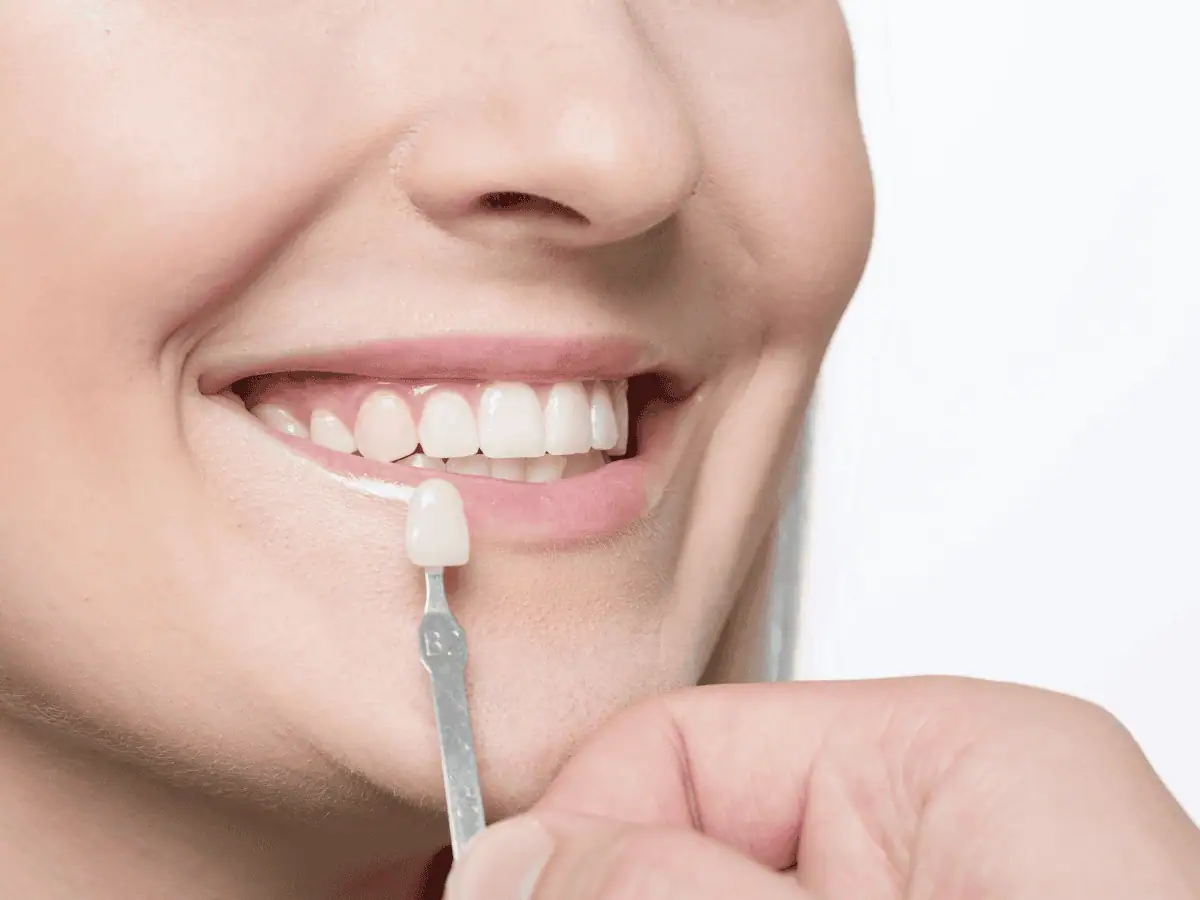
What Are the Different Types of Dental Veneers?
If you’re thinking about improving your smile, you’ve probably come across dental veneers. They are one of the most popular cosmetic dental treatments because they can address several concerns at once, from discoloration and small gaps to uneven or worn teeth. But not all veneers are the same. Different types are designed for different needs, and choosing the right one depends on your smile goals, budget, and overall oral health. In this blog, we’ll walk you through the different types of dental veneers and how each option works.
Quick Answer
The different types of dental veneers include:
- Porcelain veneers
- Composite veneers
- No prep veneers
- Temporary veneers
- Palatal veneers
Each type serves a different purpose. Some are designed to create a long-lasting cosmetic transformation, while others are used to protect damaged teeth or act as a temporary solution before permanent treatment.
Let’s take a closer look.
Types of Dental Veneers
| Type | What It Is | Best For | What Makes It Standout |
|---|---|---|---|
| Porcelain veneers | Thin custom made shells created from porcelain and bonded to the front surface of the teeth. They are designed to closely resemble natural enamel. | Patients want a natural looking and durable smile transformation. | Porcelain veneers are known for their realistic appearance and strong stain resistance. |
| Composite veneers | Veneers are made from tooth colored composite resin that is sculpted directly onto the tooth or prepared outside the mouth before bonding. | Budget conscious patients or people looking to fix minor cosmetic concerns. | They are generally quicker and more affordable than porcelain veneers but may not last as long. |
| No prep veneers | Ultra thin veneers that require little to no removal of natural tooth enamel before placement. | Patients who want a more conservative treatment option. | They are less invasive and preserve more of your natural tooth structure. |
| Palatal veneers | Veneers are placed on the inner surface of the upper teeth instead of the front. | Patients experiencing tooth erosion or wear on the inside surfaces of their teeth. | Their main purpose is restoring and protecting teeth rather than improving appearance alone. |
| Temporary veneers | Short term veneers used while permanent veneers are being designed and prepared. | Patients waiting for their final veneers to be placed. | They provide temporary cosmetic coverage and are not intended for long term use. |
Porcelain Veneers
Porcelain veneers are often considered the gold standard in cosmetic dentistry. They are custom-crafted in a dental laboratory and bonded to the front surface of your teeth to improve their appearance.
Many people choose porcelain veneers because they can correct several concerns at once — stains that don’t respond to whitening treatments, chipped teeth, minor gaps, uneven shapes, and mild misalignment.
One of their biggest advantages is how natural they look. Porcelain reflects light in a way that closely resembles natural tooth enamel, helping them blend seamlessly with your existing teeth. They are also highly durable and resistant to staining.
They are also highly durable and resistant to staining, especially when compared to other materials.
Composite Veneers
Composite veneers are a more affordable alternative to porcelain veneers.
Instead of porcelain, these veneers are created using composite resin, which is the same material often used for tooth colored fillings.
The process is usually faster because, in many cases, they can be completed in a single appointment.
Composite veneers work well for smaller cosmetic improvements, such as repairing chips, covering minor stains, or reshaping slightly uneven teeth.
While they can provide excellent results, they generally do not last as long as porcelain veneers and may require occasional touch ups over time.
No Prep Veneers
No prep veneers are designed to preserve as much of your natural tooth structure as possible.
Traditional veneers usually require a small amount of enamel to be removed before placement. No prep veneers, on the other hand, are extremely thin and often require little or no enamel removal.
This makes them appealing to patients who want a more conservative treatment option.
However, not everyone is a suitable candidate. Your dentist will need to evaluate your teeth and bite to determine whether no prep veneers will provide the desired result.
Palatal Veneers
Palatal veneers are different from traditional veneers because they are placed on the inside surface of the upper teeth.
These are often used when teeth have become worn down due to acid erosion, grinding, or long term wear and tear.
Their purpose is more restorative than cosmetic.
By protecting the damaged areas, palatal veneers can help strengthen the teeth and improve their function while also preventing further deterioration.
Temporary Veneers
Temporary veneers are used as a short term solution while permanent veneers are being prepared.
They allow you to maintain the appearance of your smile and protect your prepared teeth between appointments.
Although they can look good, they are not designed for long term use. They are made from lighter materials and are more prone to wear or damage compared to permanent veneers.
Think of them as a placeholder until your final restorations are ready.
Learn More About: How to Take Care of Veneers?
Closing Thoughts
There is no single type of veneer that works for everyone. The right choice depends on your smile goals, the condition of your teeth, your lifestyle, and how long you want the results to last. Speaking with a dentist can help you understand which option suits your needs and whether veneers are the right treatment for you.
If you’re ready to enhance your smile, the team at Coral Dental Care can help you explore your options. Whether you’re considering porcelain veneers, no prep veneers, or another cosmetic treatment, we’ll work with you to create a treatment plan that feels right for your goals.
Ready to transform your smile?
Find out which type of veneer best suits your goals and budget at Coral Dental care in Salem, MA
Frequently Asked Questions About Types of Veneers
-
Which type of dental veneer looks the most natural?
Porcelain veneers are often considered the most natural looking option because they closely mimic the way natural tooth enamel reflects light. They are also custom made to match the shape, size, and color of your surrounding teeth.
-
What is the difference between porcelain and composite veneers?
The main difference is the material used and their longevity. Porcelain veneers are more durable, stain resistant, and typically last longer. Composite veneers are usually more affordable and can often be completed in one visit, but they may need more maintenance over time.
-
Which type of veneer lasts the longest?
Porcelain veneers generally have the longest lifespan. With proper care and regular dental visits, they can last anywhere from 10 to 15 years or even longer in some cases.
-
Are temporary veneers necessary before permanent veneers?
Temporary veneers are commonly recommended when teeth need to be prepared before placing permanent veneers. They protect your teeth and help maintain your smile while your final veneers are being created.
-
Are veneers permanent or reversible?
It depends on the type of veneer. Traditional porcelain veneers usually require enamel removal, which makes the procedure irreversible. Some no prep veneers may preserve more natural tooth structure, but suitability varies from person to person.
-
Which types of veneers are best for front teeth?
Porcelain veneers are often the preferred choice for front teeth because of their natural appearance, durability, and ability to blend seamlessly with surrounding teeth.
-
What type of veneers require the least tooth preparation?
No prep veneers generally require the least amount of tooth preparation because they are extremely thin and often need little to no enamel removal before placement.