
You may not think about your tooth enamel often. But, once it starts wearing down, everyday activities like eating or drinking can become uncomfortable. Understanding what enamel does, how it gets damaged, and how to protect it can help you maintain a healthier smile for years to come.
What is Tooth Enamel?
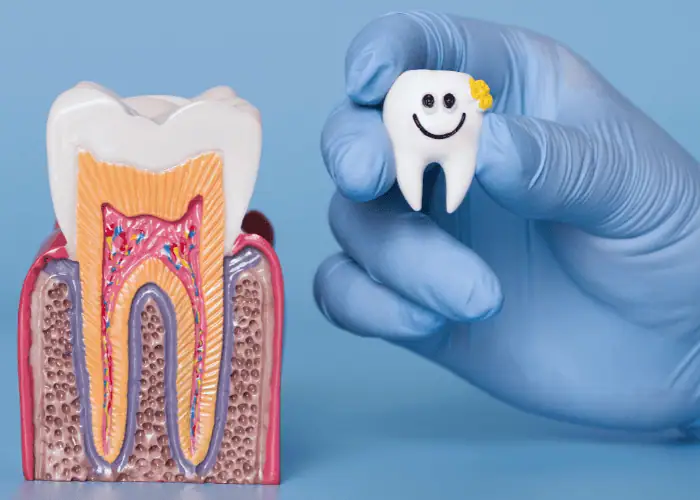
Tooth enamel is the hard, outermost layer of the tooth and is the strongest substance in the human body. It acts as a protective shield, covering the crown of the tooth and safeguarding the softer inner layers from daily wear, chewing forces, temperature changes, and harmful bacteria. Although enamel is incredibly durable, it cannot regenerate once it is significantly damaged, making proper oral hygiene and preventive dental care essential for maintaining healthy teeth.
What Does Tooth Enamel Look Like?
Healthy enamel looks smooth and slightly shiny. Teeth appear even in color and feel strong when you bite or chew. When enamel erosion begins, teeth may look:
- Duller than usual
- More yellow
- Slightly uneven along the edges
This happens because the inner layer of the tooth, called dentin, starts showing through.
What is Tooth Enamel Made Of?
Tooth enamel is mostly made of minerals, mainly calcium and phosphate. It is composed of approximately 96% minerals, primarily hydroxyapatite crystals (calcium and phosphate), 3% water, and 1% organic material. This highly mineralized structure gives enamel its exceptional strength and ability to protect teeth from daily wear, chewing forces, and acid attacks.
What Does Tooth Enamel Do?
Tooth enamel plays a protective role. It helps:
- Shield teeth from acids and bacteria
- Prevent sensitivity
- Support everyday chewing
- Lower the risk of tooth decay
Once enamel thins or breaks down, teeth become more vulnerable to damage.
Why Does Tooth Enamel Erosion Happen?
Tooth enamel erosion or loss does not happen overnight. It develops slowly, often without obvious symptoms at first. Common causes include:
- Dry Mouth: Saliva helps neutralize acids. Low saliva increases enamel damage.
- Excess Consumption of Acidic Foods and Drinks: Soda, citrus fruits, sports drinks, and wine can erode tooth enamel.
- Genetics: Some people naturally have weaker enamel.
- Acid Reflux or Heartburn: Stomach acid can weaken enamel over time.
- Poor Oral Hygiene: Plaque buildup increases acid exposure and erosion of tooth enamel.
- Teeth Grinding and Clenching: This causes physical wear on enamel.
- Poor Nutrition: Low calcium intake affects enamel strength and leads to worn tooth enamel.
- Misaligned Bite: Uneven pressure wears down certain teeth faster.
- Aging: Enamel naturally thins as years go by.
What are the Signs of Enamel Erosion?
Tooth enamel erosion often develops gradually, making it easy to overlook in its early stages. As the protective enamel layer wears away, you may notice several changes in the appearance and sensitivity of your teeth.
Common signs of enamel erosion include:
- Increased Tooth Sensitivity: Discomfort when consuming hot, cold, sweet, or acidic foods and drinks.
- Yellowing Teeth: As enamel thins, the yellowish dentin beneath becomes more visible.
- Smooth or Shiny Surfaces: Teeth may appear unusually glossy due to the loss of surface enamel.
- Rounded or Transparent Edges: The biting edges of front teeth may look thinner, smoother, or slightly translucent.
- Cracks, Chips, or Rough Edges: Weakened enamel can make teeth more prone to minor damage and wear.
If left untreated, enamel erosion can increase the risk of tooth decay, sensitivity, and long-term damage to the tooth structure.
How is Damaged Tooth Enamel Diagnosed?
Dentists diagnose tooth enamel loss through a dental exam, X-rays, and by listening to your symptoms.
At Coral Dental Care in Salem, Massachusetts, digital imaging helps spot early enamel damage before it turns into a bigger issue.
How is Tooth Enamel Erosion treated?
While lost tooth enamel cannot naturally grow back, early enamel damage can often be repaired through a process called remineralization. This helps strengthen weakened enamel and prevent further erosion.
-
Use Fluoride Products
Fluoride toothpaste, mouth rinses, and professional fluoride treatments can help replenish lost minerals and strengthen enamel against acid attacks.
-
Improve Your Diet
Consume foods rich in calcium and phosphate, such as dairy products, leafy greens, nuts, and fish. Limiting acidic foods and sugary drinks can also help protect enamel from further damage.
-
Stay Hydrated
Drinking plenty of water helps wash away acids and bacteria while promoting saliva production. Saliva plays a key role in naturally remineralizing enamel.
-
Use Remineralizing Toothpaste
Certain toothpastes contain ingredients such as calcium phosphate or hydroxyapatite that help restore minerals to weakened enamel.
-
Treat Underlying Causes
If enamel erosion is linked to acid reflux, dry mouth, teeth grinding, or dietary habits, addressing these issues can prevent continued enamel loss.
-
Consider Restorative Dental Treatments
For advanced enamel damage, your dentist may recommend dental bonding, veneers, crowns, or other restorative procedures to protect and rebuild the affected teeth.
The earlier enamel erosion is detected, the better the chances of preserving your natural tooth structure and avoiding more extensive dental treatment.
When Does Tooth Enamel Loss Become a Cavity?
Tooth enamel loss does not automatically mean you have a cavity. Enamel erosion occurs when acids wear away the tooth’s protective outer layer, while a cavity develops when bacteria penetrate and damage the tooth structure.
In the early stages of enamel loss, the tooth may become more sensitive and show signs of thinning or discoloration. However, once the enamel is weakened enough for bacteria to create a permanent area of decay, a cavity begins to form. At this point, the damage extends beyond simple erosion and requires professional dental treatment.
What Complications May You Face if You Ignore Tooth Enamel Erosion?
If left untreated, damaged tooth enamel can lead to:
- Ongoing sensitivity
- Frequent cavities
- Cracked or broken teeth
- Gum irritation
- More complex dental treatments later
Does Teeth Whitening Damage Enamel?
Professional teeth whitening does not damage healthy enamel. However, whitening teeth with already worn tooth enamel may increase sensitivity. A dentist can help decide if whitening is safe for you.
Concerned About Enamel Erosion or Long-term Tooth Damage?
Get preventive care and personalized treatment plans to protect your tooth enamel at Coral Dental Care in Salem, MA
Frequently Asked Questions about Tooth Enamel
-
How do I know if I have enamel erosion or tooth decay?
Enamel erosion and tooth decay can look similar, but they affect teeth in different ways. Tooth enamel erosion often causes sensitivity, smooth or shiny tooth surfaces, or yellowing as the inner dentin shows through. Tooth decay usually appears as dark spots, holes, or pain. A dental exam is the best way to know what your problem is and how to treat it early.
-
Can tooth enamel grow back?
No, tooth enamel cannot grow back once it is lost and does not regenerate naturally. However, early tooth enamel damage can be strengthened through remineralization. Using fluoride or hydroxyapatite toothpaste and improving daily oral care can help protect and harden the remaining enamel and slow further enamel loss.
-
Is tooth erosion permanent?
Yes, tooth erosion is permanent because enamel cannot be replaced once it wears away. That said, early tooth enamel erosion can often be managed before it leads to cavities or serious damage. With proper care and regular dental visits, further erosion can be prevented. Damaged teeth can be protected with professional treatments if needed.
-
Does teeth whitening damage enamel?
Professional teeth whitening does not damage healthy enamel when used correctly. Whitening treatments work on surface stains, not the enamel structure itself. However, if enamel is already worn or weakened, whitening may increase sensitivity. A dentist can help determine whether whitening is safe for your teeth and recommend the right approach.
-
How to strengthen tooth enamel?
You can strengthen tooth enamel by supporting daily remineralization. Brush twice daily with fluoride or hydroxyapatite toothpaste, eat calcium-rich foods like cheese and yogurt, reduce sugar and acidic foods, drink plenty of water, and floss daily. While enamel cannot regenerate, these habits help protect and strengthen the enamel you still have.

Dr. Anu Isaac, DMD, runs a successful dental practice in Salem, MA. Dr. Isaac strives for quality on a daily basis and this commitment to quality is reflected in her constant pursuit of advanced training. Her firm belief that even experts need to stay updated about what’s new in the dental field, enables her to provide every patient with optimal oral care. As the founder of Coral Dental Care, she is dedicated to creating healthy, beautiful smiles for her patients and also to educating dental and non-dental community with her engaging articles on all things related to oral health, recent dental innovations, and latest treatment modalities.