
How Long Does Wisdom Tooth Removal Recovery Take?
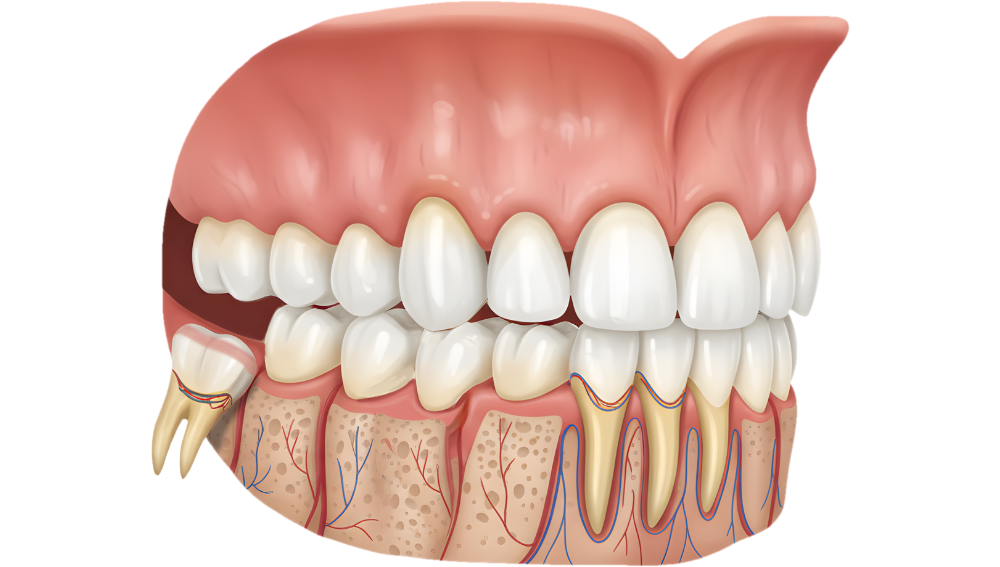
Wisdom tooth removal recovery typically takes 7 to 10 days for the gum tissue to close, although complete bone healing can take 3 to 6 months. Most people can return to normal activities within 3 to 5 days, while swelling and discomfort usually peak during the first few days before gradually improving.
Wisdom tooth removal is one of the most common oral surgeries, but recovery can feel confusing when you are not sure what is normal and what is not. Swelling, mild bleeding, and jaw stiffness are all expected in the first few days, while sharp pain or fever after that point can signal a problem that needs attention.
This guide walks you through what to expect at each stage of healing, from the first 24 hours through the following weeks, along with practical tips for managing discomfort, eating safely, and avoiding complications like dry socket. Whether you just had your wisdom teeth removed or you are preparing for the procedure, you will find clear, step by step guidance to help you heal smoothly and know exactly when to call your dentist.
Wisdom Teeth Removal Recovery Timeline: What to Expect Day by Day
Recovery from wisdom teeth removal typically takes 7 to 10 days for the gum tissue to close, though full bone healing can take up to 3 to 6 months. Most patients feel well enough to return to normal activities within 3 to 5 days. Here’s what to expect at each stage.
First 24 Hours
Expect some bleeding, numbness, and mild to moderate discomfort as the anesthetic wears off. Swelling begins to develop and fatigue is common, so plan to rest for the day.
What to do:
- Bite down gently on the gauze pad placed by your dentist for 30 to 45 minutes to control bleeding.
- Apply an ice pack to your cheek in 15 to 20 minute intervals to reduce swelling.
- Rest with your head elevated. Lying flat can increase blood flow to the area and worsen swelling.
- Stick to cold, soft foods like yogurt, applesauce, or a smoothie (no straw).
- Avoid rinsing, spitting, or touching the area with your tongue or fingers.
Days 2 and 3
Swelling and pain reach their peak, and some patients experience mild bruising and jaw stiffness. This is the most uncomfortable phase, but it is temporary and begins to improve shortly after.
What to do:
- Switch from ice to a warm compress starting on day two to help ease jaw stiffness.
- Take pain medication as prescribed or recommended, and try to stay ahead of the pain rather than waiting until it becomes severe.
- Begin gentle warm salt water rinses (a half teaspoon of salt in a cup of warm water) starting 24 hours after surgery to keep the area clean.
- Continue eating soft foods such as mashed potatoes, scrambled eggs, oatmeal, and broth-based soups.
- Sleep with your head propped up on an extra pillow.
Days 4 and 5
Pain starts to ease, swelling goes down, and most patients feel well enough to return to light daily activities. Energy levels gradually come back during this window.
What you can typically resume:
- Light activity and normal daily routines, though strenuous exercise should still wait until closer to the one week mark.
- A slightly wider range of foods, including soft pasta, well cooked vegetables, and soft fish, as long as chewing does not put pressure directly on the surgical site.
- Gentle tooth brushing, being careful to avoid the extraction site directly.
Days 6 and 7
Most major symptoms have passed by the end of the first week. Dissolvable stitches may begin to fall away naturally, and most patients feel ready to return to their regular schedule.
Recovery tips:
- Keep an eye on dissolvable stitches, which may naturally loosen and fall away during this window
- Continue gentle oral hygiene around the site
- Ease back into a fuller diet gradually rather than all at once
Weeks 2 to 4
Visible signs of recovery such as swelling and bruising are gone, and most normal activities including a wider diet can resume comfortably. Soft tissue continues to close over the extraction sites during this period.
Recovery tips:
- Maintain normal brushing and flossing habits around the healed area
- Reintroduce firmer foods gradually and stop if any spot still feels tender
- Attend your follow-up visit to confirm the socket is healing as expected
Read our complete guide: What to Eat After Wisdom Tooth Extraction?
Tips for Fast Recovery
- Stay hydrated, but skip straws for at least a week.
- Avoid smoking or vaping, which significantly increases the risk of dry socket and slows healing.
- Stick to soft, cool foods until your dentist gives the go ahead for more variety.
- Keep up with prescribed antibiotics if given, even if you start feeling better.
- Rinse gently with warm salt water starting the day after surgery to keep the area clean without disrupting the clot.
When to Call your Dentist?
- Bleeding keeps going despite pressure.
- Pain gets worse after the first few days.
- Notice a persistent bad taste or foul smell
- You develop fever or feel generally unwell
- A fuller, tighter, more painful face later
Get Emergency Care after Wisdom Tooth Removal at Coral Dental Care in Salem, MA
Everyone heals a little differently depending on how the teeth were positioned and whether they were impacted. If your recovery does not seem to be following a normal pattern, or if you are dealing with ongoing pain, swelling, or a strange taste that will not go away, it is worth getting checked rather than waiting it out.
If you are experiencing severe pain, persistent bleeding, signs of infection, or any symptom that feels outside the normal recovery process, do not wait it out. Coral Dental Care in Salem, MA offers prompt emergency care for patients recovering from wisdom tooth removal, whether the procedure was performed at our office or elsewhere.
Experiencing Discomfort After Wisdom Tooth Removal?
Experiencing Discomfort After Wisdom Tooth Removal?
Frequently Asked Questions About Pain After Tooth Extraction
-
Can I drink cold drinks after wisdom teeth removal?
Yes, cold fluids like cold coconut water are actually encouraged as they can soothe the area and keep you hydrated.
-
How should I sleep after wisdom teeth removal?
Keep your head elevated at roughly a 45-degree angle for the first three days. Lying flat increases blood pressure near the wound, causing more pain and swelling.
-
When can I brush my teeth after wisdom teeth removal?
You can brush carefully, but be very gentle around the surgical site to avoid disturbing the blood clot.
-
Why does my jaw feel sore after wisdom teeth removal?
Keeping your mouth open for an extended time during surgery strains the masseter muscle (the jaw muscle used for chewing), causing soreness.
-
When should I call my dentist after wisdom teeth removal?
Call your dentist if pain becomes unbearable, swelling worsens after the first few days, or you suspect an infection or dry socket.
-
How do I prevent infection after wisdom teeth removal?
Keep the area clean with gentle rinsing, avoid touching the wound, take prescribed medications, and watch for food debris near the site.
-
Is it normal to have pain weeks after wisdom teeth removal?
Some discomfort can persist, but worsening or prolonged pain may signal a complication like dry socket or infection. Consult your dentist.
-
How soon can I go back to normal activities after wisdom teeth removal?
Light activity can resume in a day or two, but avoid strenuous exercise for at least a few days and follow your dentist’s specific guidance.
-
What happens if I don’t take care of my extraction site?
Neglecting aftercare can lead to infection, dry socket, or prolonged healing, all of which cause significantly more pain and require additional treatment.
-
How do I rinse my mouth after wisdom teeth removal?
Use warm saltwater and rinse gently. Avoid vigorous swishing, which can dislodge the blood clot.